
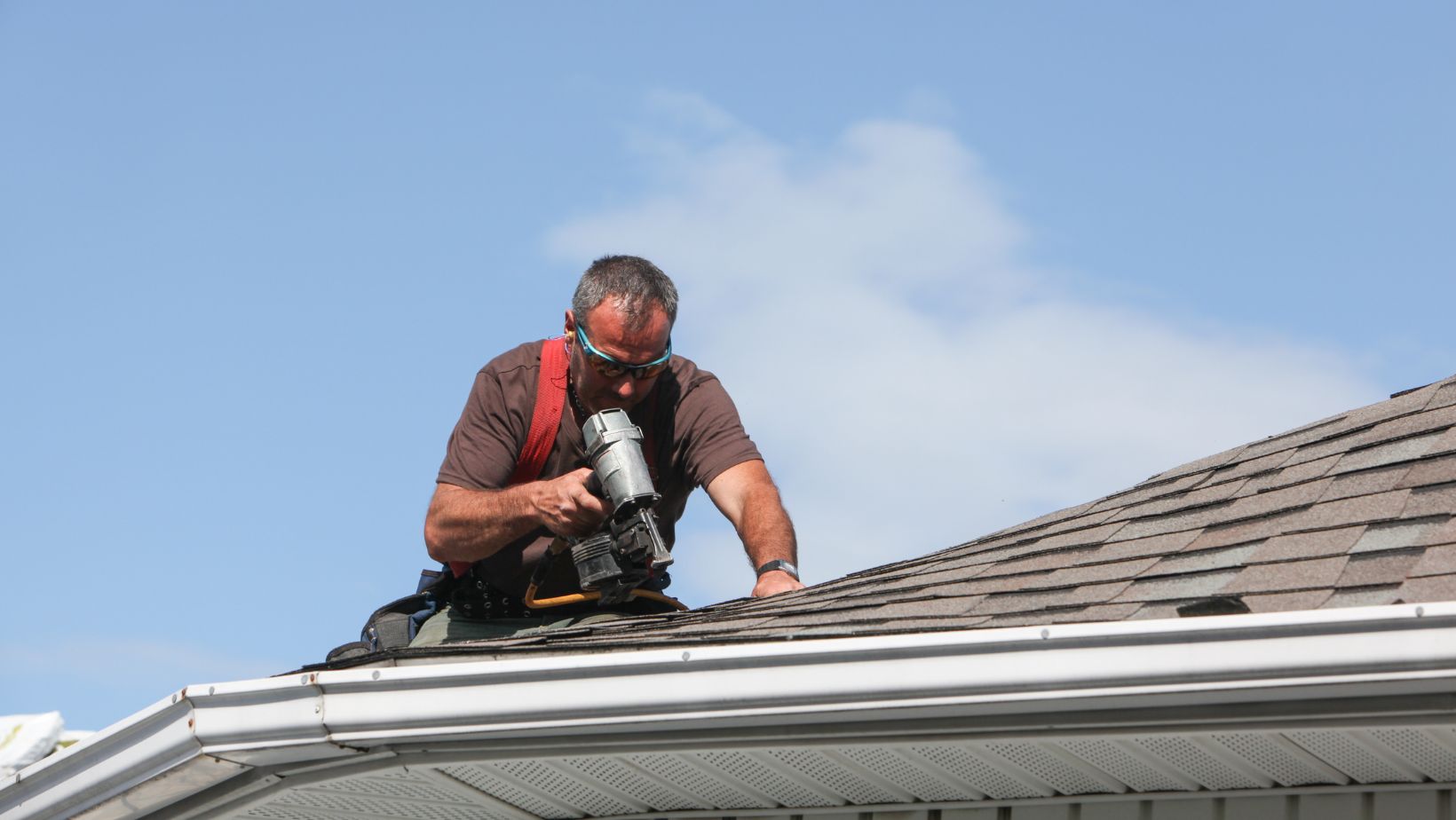
Roofing is one of the construction industry’s most physically demanding and detail-oriented trades. Each roof protects a structure from the elements and directly impacts energy efficiency, comfort, and safety. Therefore, training and certification are essential for anyone working in the field. Roofing involves more than just hammering shingles into place—it requires knowledge of building codes, structural integrity, waterproofing techniques, ventilation systems, and material science. Becoming a professional roofer includes hands-on experience, classroom instruction, safety training, and continuing education. Certification confirms that a roofer has demonstrated competence in the skills necessary to meet today’s construction standards and customer expectations.
Developing Skills Through Formal Training Programs
Apprenticeship and On-the-Job Experience
Most professional roofers begin their careers through apprenticeships or on-the-job training programs that employers or trade unions offer. These experiences allow newcomers to learn roofing techniques by working under the supervision of seasoned workers. Apprentices spend hours each week handling materials, climbing ladders, and installing shingles, metal sheets, underlayments, and flashing. They learn to read blueprints, measure dimensions accurately, and follow safety guidelines that protect them on sloped or high surfaces. Through this process, roofers understand how materials behave under different weather conditions and structural scenarios.
 Crews like those at Kerns Roofing & Restoration often mentor trainees to ensure they become capable contributors to real-world projects. The value of this practical experience cannot be overstated, as it builds confidence, muscle memory, and judgment over time. While many tradespeople start without formal credentials, a consistent, structured training path helps develop consistency and long-term career potential.
Classroom Instruction and Technical Knowledge
Hands-on training is vital but only part of the learning process. To meet the demands of modern roofing systems, workers must also grasp technical knowledge through classroom instruction. Many vocational schools, community colleges, and training organizations offer roofing fundamentals, building codes, blueprint reading, insulation, ventilation, and materials science courses. Students learn how to assess roof slopes, choose the appropriate materials for different climates, and calculate load-bearing capacities. Understanding energy efficiency standards, fire ratings, and waterproofing strategies is critical when designing or repairing a roof that must perform under varying environmental stresses. Certification bodies often require coursework before granting credentials, and these programs prepare workers for those exams. Roofing technology continues to evolve, with new products and installation methods becoming standard. Classroom education ensures roofers stay current with innovations and regulations, helping them build durable, compliant, and cost-effective roofs for clients.
Safety and OSHA Compliance Training
Safety training is one of the most important aspects of a roofer’s education. Working at heights, with power tools and heavy materials, introduces numerous risks that must be managed through proper precautions. Roofing companies and certifying organizations often include Occupational Safety and Health Administration (OSHA) compliance training in their programs. Workers learn to secure ladders, use harnesses, guard rails, and scaffolding, and follow safety protocols during installation and tear-down. Instruction also covers handling inclement weather, managing fatigue, and responding to emergencies on the job. Many employers require proof of OSHA training before hiring; some states mandate it for roofing licenses. Emphasizing safety protects workers, reduces liability, and ensures projects stay on schedule. A roofer who understands and follows safety practices consistently contributes to a more efficient and injury-free job site, benefiting contractors and homeowners alike.
Industry Certifications and Manufacturer Endorsements
After accumulating experience and technical knowledge, many roofers pursue certifications to validate their skills. These credentials are a benchmark for quality and professionalism, often required for higher-paying jobs or commercial projects. Certification organizations such as the National Roofing Contractors Association (NRCA) offer programs that test candidates on material handling, application techniques, and structural knowledge. Additionally, manufacturers offer certifications that allow contractors to install their products under warranty. For instance, a roofer certified by a major shingle manufacturer may offer extended warranties that non-certified contractors cannot. These endorsements give clients confidence in the installer’s ability and open doors to more competitive opportunities. Certifications also encourage continued learning; many require renewal through workshops or refresher courses. This ongoing development ensures roofers stay informed about changes in materials, climate performance, and code requirements, building long-term trust in the roofing industry.
Licensing and Local Regulations
Roofers must obtain a license in many states or municipalities to operate legally. Licensing requirements vary widely but typically include proof of work experience, successful completion of an exam, background checks, and insurance verification. Exams test knowledge in construction law, business management, roofing systems, and safety practices.
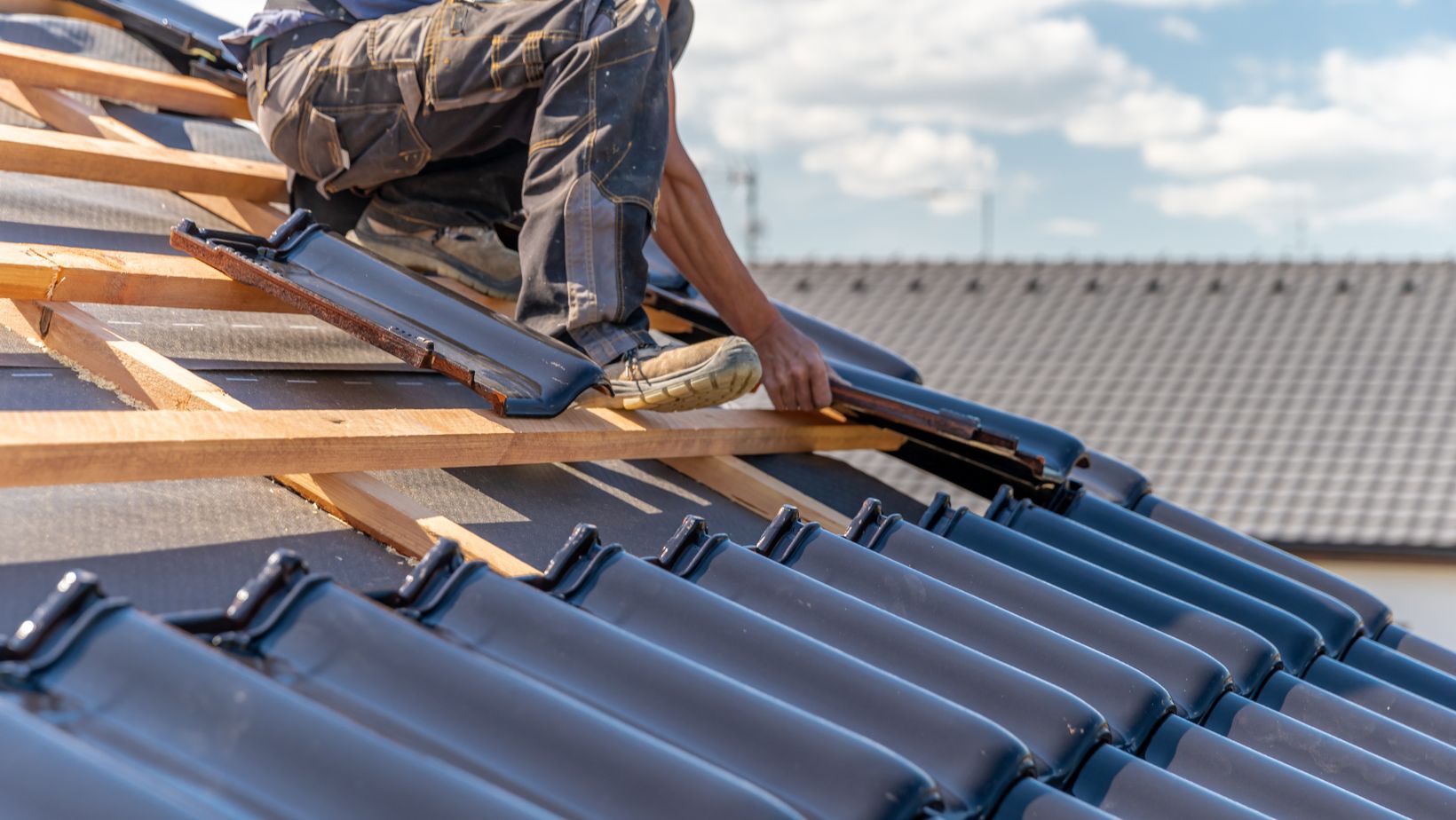 Meeting these requirements demonstrates a commitment to legal compliance and high standards. Licensing boards may also track complaints, enforce regulations, and revoke licenses for misconduct, providing additional protection for homeowners. A licensed roofer has shown their ability to meet the expectations set by local governments, which can make the difference in gaining clients or qualifying for specific jobs. Additionally, some areas require bond coverage further to protect customers from project abandonment or substandard work. By navigating this process and maintaining an active license, roofers commit to ethical business practices and a higher level of accountability within the trade.
A Road Built on Dedication and Knowledge
Becoming a certified professional roofer is not short or simple—it involves years of dedication, a blend of classroom and field education, and a commitment to safety and continuing development. From the earliest hands-on training to industry-recognized certifications and state licensing, each step reinforces the roofer’s ability to perform high-quality work that stands up to time and the elements. With the growing demands for energy-efficient, weather-resistant, and code-compliant roofing systems, ongoing education is just as crucial as foundational skills. For those who choose this trade, the training process ensures they’re equipped to install a roof and deliver reliability, safety, and lasting value to every property they touch.