

Have you ever asked yourself why your clothes smell like spring rain or why the dishwashing detergent has citrus notes of Lemon and Lavender? This is because of the elegant combination of fragrant compounds in cleaning agents and powders. These strong stratified compounds are specially made to counteract undesirable scents, awaken your senses, and improve the experience when cleaning.
In the home cleaning world, smell is not purely a marketing tactic – it’s part of the product’s personality. With the shift in demand towards effective products containing fewer harsh chemicals, formulators have begun to look for ways to incorporate more pleasant fragrances to cleaners. This includes the use of synthetic aromatic compounds with natural ingredients such as bulk carrier oils which are frequently found in eco-friendly and DIY cleaner bases.
Let’s discuss 10 of the most widely used aromatic chemicals that give cleaning products the cherished, “just-cleaned,” aroma.
-
Limonene
Limonene is a citrus-scented oil present in the peels of oranges and lemons. It is most commonly used in all-purpose sprays, dish washing soaps, and also degreasers. Not only does it smell refreshing but also serves in cleaning purposes due to its natural grease cutting abilities.
-
Linalool
Linalool has a soft floral scent that reminds one of lavender. Its calming effects work well in scented floor cleaners and laundry detergents, giving them a spa-like touch. It’s often found in eco-friendly cleaning products where natural aromatic profiles are preferred.
-
Citronellol
This aromatic compound is popular in fabric softeners and air fresheners due to the rose-like scent. It is very subtle yet recognizable making it potent enough to help mask chemical odors while also uplifting the overall freshness after cleaning.
-
Eucalyptol
As the name suggests, this is the key aroma in eucalyptus oil. Eucalyptol is also used in bathroom products and surface cleaners, where it gives a minty, clean odor. It is often used with bulk carrier oils in eco-friendly and DIY brands to stabilize natural formulations.
-
Geraniol
Extracted from essential oils such as geranium, geraniol brings forth a pleasant flowery scent that is gentle yet heady. Geraniol is widely used in floral cleaning sprays that are safe for children and pets.
-
Hexyl Cinnamal
Hexyl cinnamal is well-liked in detergents because it adds a jasmine note that is reminiscent of fresh flowers.
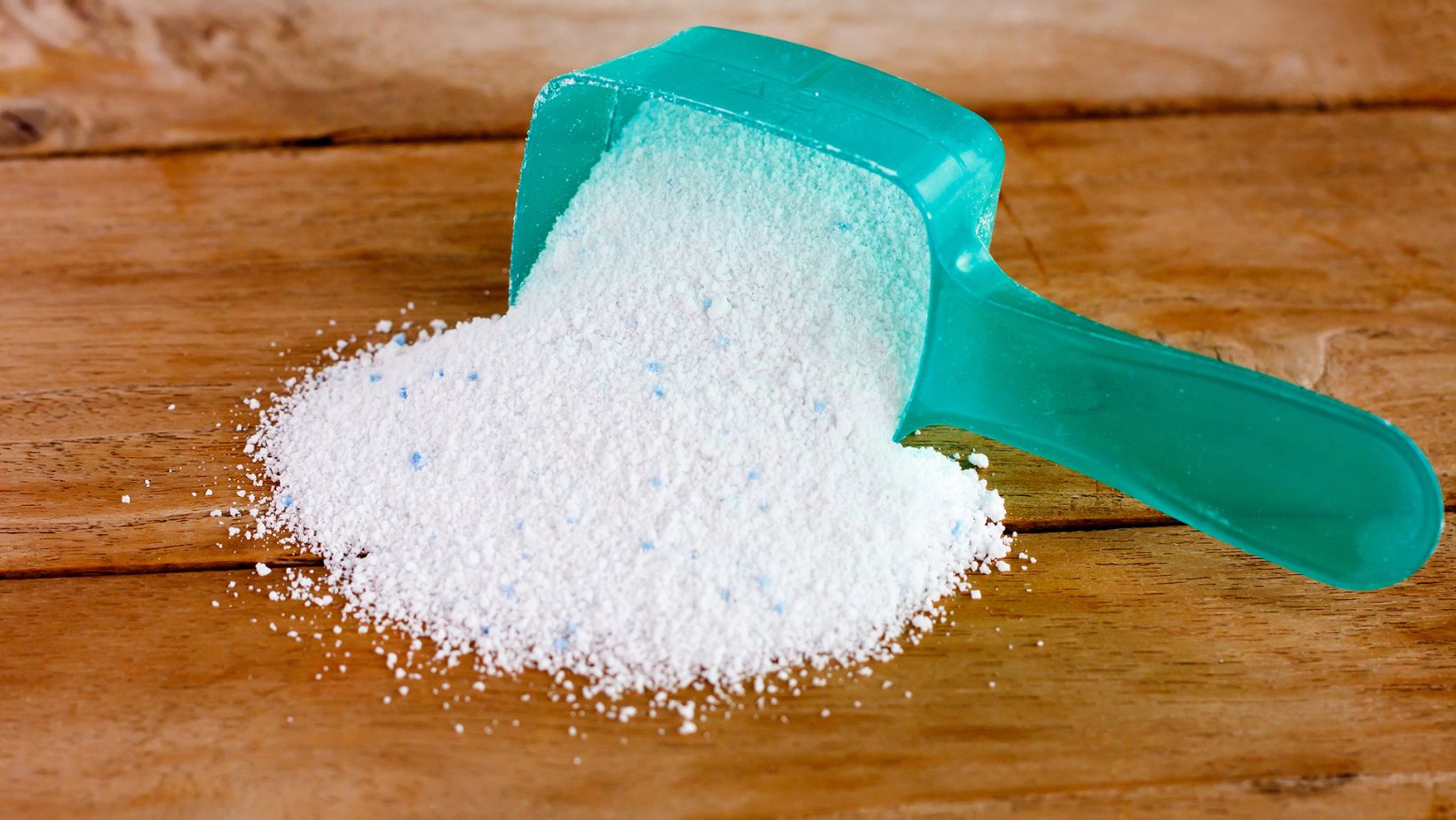
It also makes clothes smell and feel softer and cleaner, while leaving a lasting fresh floral scent.
-
Alpha-Isomethyl Ionone
This compound is a perfect blend of violets and soft woods, making it an excellent addition to perfume and homecare industries. Alpha-Isomethyl Ionone adds an unrivaled elegance to perfume and homecare products, masking harsh odors while not stifling the entire room.
-
Coumarin
This sweet chemical, found naturally in tonka beans and cinnamon, has a vanilla-like aroma. Coumarin adds warmth to the scent of powdered cleansers and softener beads giving the products a more cozy and inviting vibe.
-
Camphor
Camphor’s sharp, cool, pungent scent is best used in deep-cleaning products like toilet bowl cleaners and mildew sprays. It is often paired with mint or tea tree oils for a brisk scent; a popular combination among natural cleaning brands.
-
Menthol
This invigorating and crisp fragrance is often found in window cleaners, disinfectant sprays, and seasonal cleaning products. Menthol’s refreshing bright scent makes cleaning an enjoyable experience!
Go For Eco-Friendly Options
While most brands use sharp scents to appeal to customers, eco-friendly and DIY brands are focusing on combining essential oils with carrier oils like coconut, jojoba and grapeseed oil, to deliver the best of both worlds.
Carrier oils not only soften the sharp scented essential oils and aromatic compounds but also moisturize hands, and surfaces, making them a perfect base in plant-based or home made detergents. For smaller cleaning brands or DIY enthusiasts, acquiring bulk carrier oils is a step towards cost-effective production. They offer a neutral base that enhances a myriad of fragrances without disrupting the chemical harmony of the product.
Final Thoughts
A fragrance is a particularly important aspect of the cleaning process—aroma transforms perceived cleanliness, comfort, and even luxury in our homes. Understanding the role of these compounds helps in choosing between a shop-bought detergent or a self-made one using bulk carrier oils.
The blend of science and appealing aroma renders household chores into delightful rituals which every home deserves.