
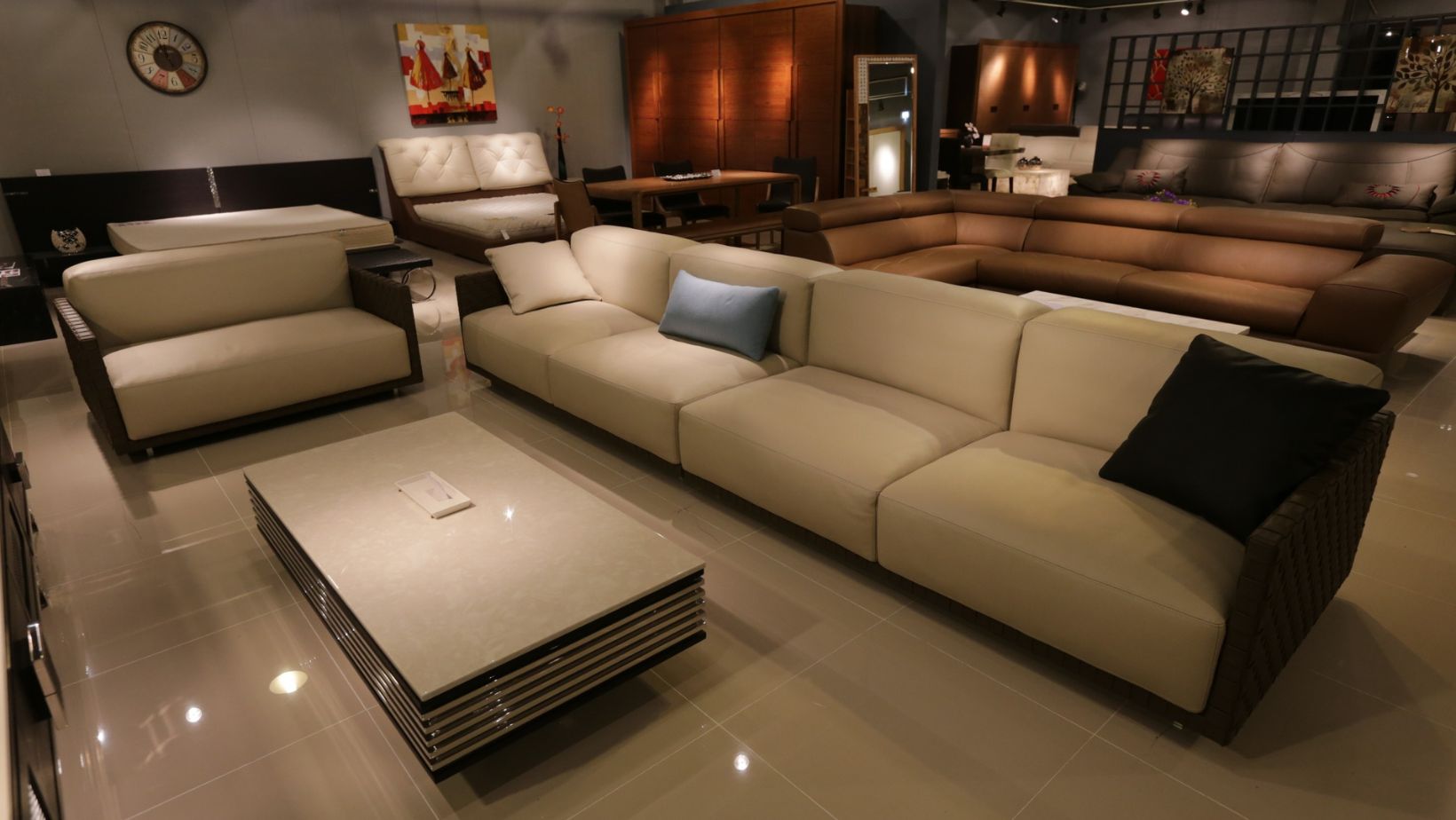
It started with a coffee table. One Saturday afternoon, I looked at it and thought, This doesn’t belong here anymore. Nothing dramatic had happened. I wasn’t redecorating. I wasn’t even cleaning. I just had a feeling that the layout of my space didn’t match the way I wanted to feel.
So I shifted it.
Then I moved the chair. The bookshelf. The rug. I took pictures off the wall, dusted corners I hadn’t noticed in ages, and by the end of the afternoon, it felt like I had stepped into a completely different space — one that felt lighter, calmer, more me.
And oddly enough, it changed more than just my living room. It changed my headspace. That simple act of rearranging what I already had made me wonder where else in my life I was just living with things out of place — not because they were wrong, but because I had stopped noticing them.
It reminded me of how people sometimes buy a ticket for a prize home lottery just to daydream about something new — not because they’re unhappy, but because even imagining a different kind of life can spark something they’d forgotten: agency.
Here’s what a bit of furniture shifting taught me about designing a life that feels intentional again.
Change Doesn’t Have to Be Big to Be Powerful
We often believe that in order to feel different, we need to do something drastic. Quit the job. Move countries. Cut ties. But that afternoon showed me otherwise.
All I did was move a few pieces of furniture, and suddenly I was seeing my home — and myself — with fresh eyes. I realized I had more control over how my environment felt than I’d given myself credit for.
 Small shifts invite momentum. They don’t just freshen up your space; they remind you that you’re allowed to make adjustments in your life too — even before things become unbearable.
You Can Redesign Your Life Without Starting From Scratch
Sometimes, people feel stuck because they assume “taking control” means tearing everything down and starting over. But in most cases, your life isn’t broken — it’s just overdue for a rearrangement.
- That friendship that’s been drifting? Maybe it just needs a different rhythm or expectation.
- That job that’s draining you? Maybe you can restructure your schedule, renegotiate boundaries, or rediscover parts of it you enjoy.
- That nagging dissatisfaction? Maybe it’s not about changing everything, but about refreshing a few overlooked areas.
Rearranging isn’t erasing. It’s making better use of what you already have.
Energy Flows Where Intention Goes
One thing I noticed after the room refresh? I wanted to spend time there. I kept walking into the space and smiling. It had a different energy — not because I bought anything new, but because I had placed things with care.
The same principle applies everywhere.
When you pay attention to what you want your life to feel like — not just what’s expected — your energy shifts. Your habits shift. You show up differently, because you’ve designed your surroundings (and your decisions) to support who you’re becoming.
Permission is Rarely Given — You Have to Take It
No one was going to walk into my living room and say, “Hey, you should move this couch — you’ll feel so much better.” That decision had to come from me.
The same goes for most of life’s changes.
 If you’re waiting for someone to tell you it’s okay to try something new, say no, dream bigger, or let go of what no longer fits — you might be waiting forever.
Give yourself permission to adjust. You don’t need a crisis to justify it. You don’t need approval to rearrange your life in a way that works better for you.
It’s Not About “Perfect.” It’s About “Better.”
The new layout isn’t flawless. There are still awkward corners and cables I haven’t hidden. But the room feels better — and that’s enough.
We often delay change because we think we have to get it exactly right. But “better” is a powerful place to begin. It builds confidence. It teaches you how to listen to your own needs again.
Perfection is a trap. Progress is a path.
You don’t have to win the lottery, move into a dream home, or have a total breakthrough to start shifting your life. Sometimes, all it takes is moving one thing. Trying one new way. Saying, What if this didn’t have to stay this way?
Your life — like your living room — is yours to shape. And every time you do, no matter how small, you’re proving something important:
You’re not stuck. You’re just one rearrangement away from feeling more like yourself again.