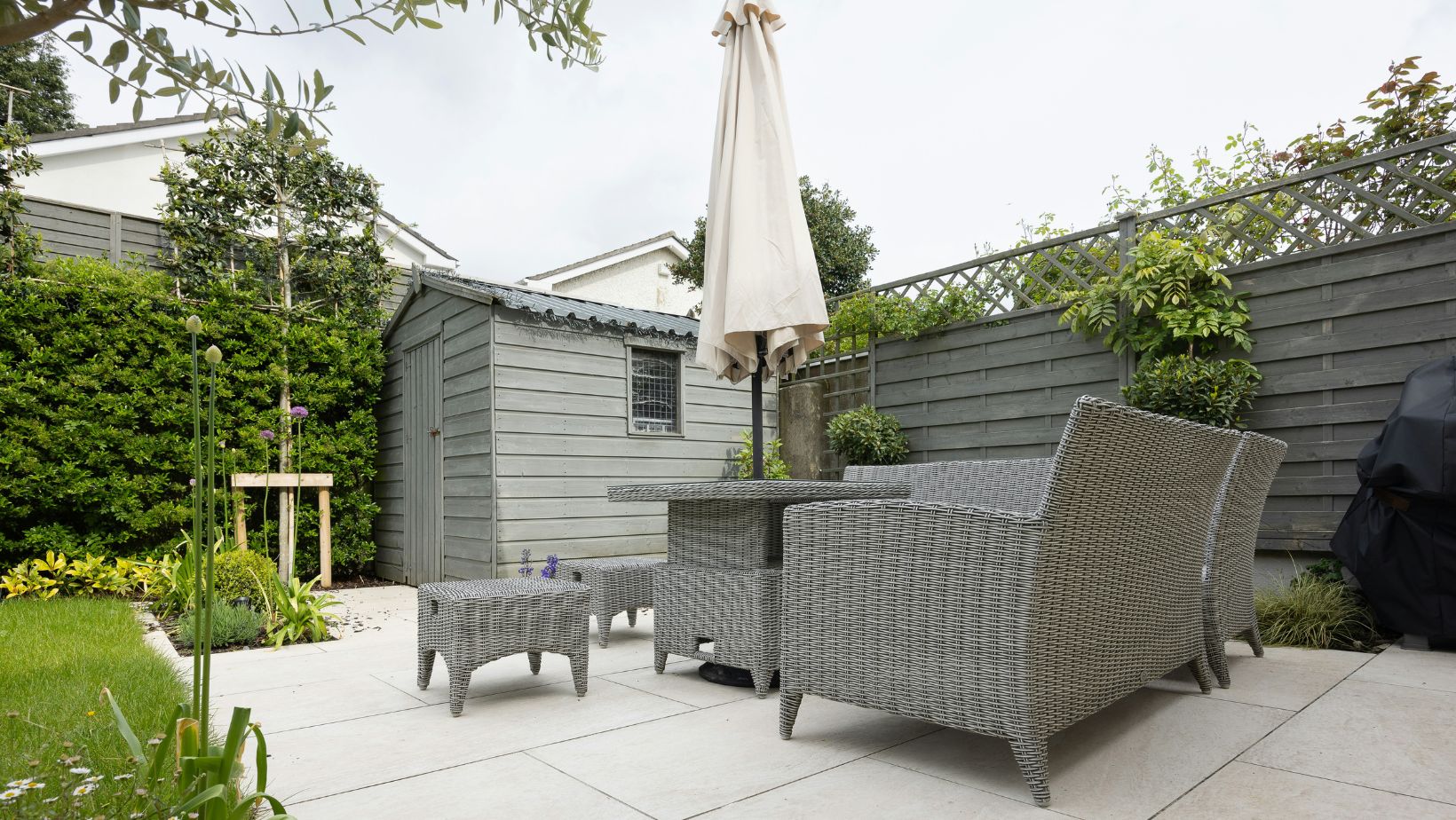
Instead of leaving your backyard as a patch of grass, make it a seamless extension of your home. The potential for outdoor living is endless, whether you’re working with an urban balcony or a lawn in the open sun.
Functional zones, natural elements, and a cozy dining area can transform ordinary areas into extraordinary outdoor living spaces. Keep reading to discover seven ideas you’ll find helpful when designing your outdoor area.
Add Functional Zones
Maximize your outdoor living space’s potential by treating functional zones like kitchens and grills without walls. Use area rugs to anchor your lounges, pergolas to define areas, and path lighting to dictate the flow. This way, you’ll prevent a cluttered look and give each square foot a specific purpose for entertainment or relaxation.
Create a Cozy Dining Area
Prioritize ambience and comfort when designing your outdoor dining area. Start with a sturdy table framed by an overhead soft-glow chandelier or bistro lights. Layer a central outdoor rug and plush seat cushions to soften the space. Tall planters and a privacy screen help to create a secluded atmosphere with restaurant vibes.
Incorporate Natural Elements
Blend your outdoor living space and layer your landscape by using natural elements like native flora and organic textures.
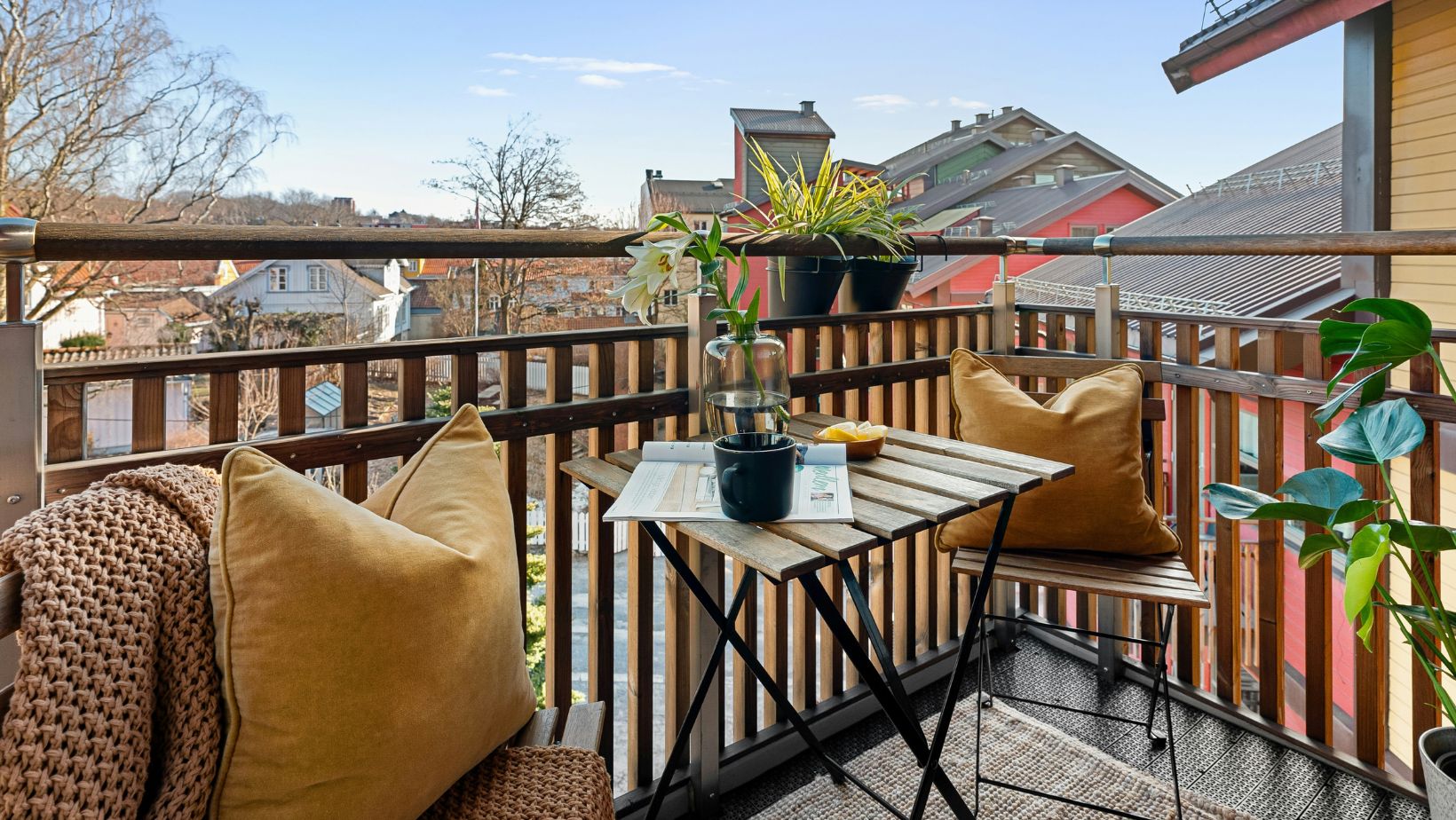
Use raw stone for pathways, reclaimed wood for decking, and a variety of perennial plants to attract local insects. Add a water feature to get a soothing sound; this way, you’ll properly connect with your environment.
Add Proper Outdoor Lights
Lighting plays a huge role in a functional outdoor living space. Consider using layered illumination that combines path lights for safety, spotlights for architectural drama, and soft string lights for warmth. Smart controls and dimmers let you instantly shift the mood. Work with professionals like Landscapes by D&J to ensure your space remains inviting all day, every day.
Consider Adding a Ceiling
A simple ceiling can transform your patio into an actual outdoor room. It provides the necessary shade and protection from the elements while supporting overhead fixtures such as recessed lighting and ceiling fans. Ceilings create a sense of enclosure, making the space better finished.
You can go for options like:
- Solid roofs
- Fabric sails
- Louvred pergolas
Use Outdoor Heating for Cold Areas
Instead of letting the weather limit your use of your living space, install integrated heating solutions. You can choose built-in stone firepits, infrared wall heaters, or portable propane towers. All of these allow you to use the space year-round. When you place these heaters correctly, you’ll maximize heat coverage across the entire outdoor space.
Create Intimate Outdoor Spaces with Zoning
By properly placing furniture and using vertical elements, you can break up large spaces. Decorative lattices, tall ornamental grasses, and properly placed sectionals can divide the area. This way, you foster a sense of privacy and quiet comfort, making even large spaces feel more personal instead of public.
Endnote
If you’re designing your outdoor living space, consider adding functional zones, creating a cozy dining area, and incorporating natural elements to achieve better results. Add outdoor lights, clearings, outdoor heating, and zoned spaces to get the ideal outdoor space.