Grout rarely gets much attention until it starts to look tired. Stains creep in, fine cracks appear, and suddenly, clean tiles feel less impressive than they should. A little foresight goes a long way here. With sensible habits and a few preventative steps, grout can stay solid and good-looking for years rather than becoming a recurring headache.
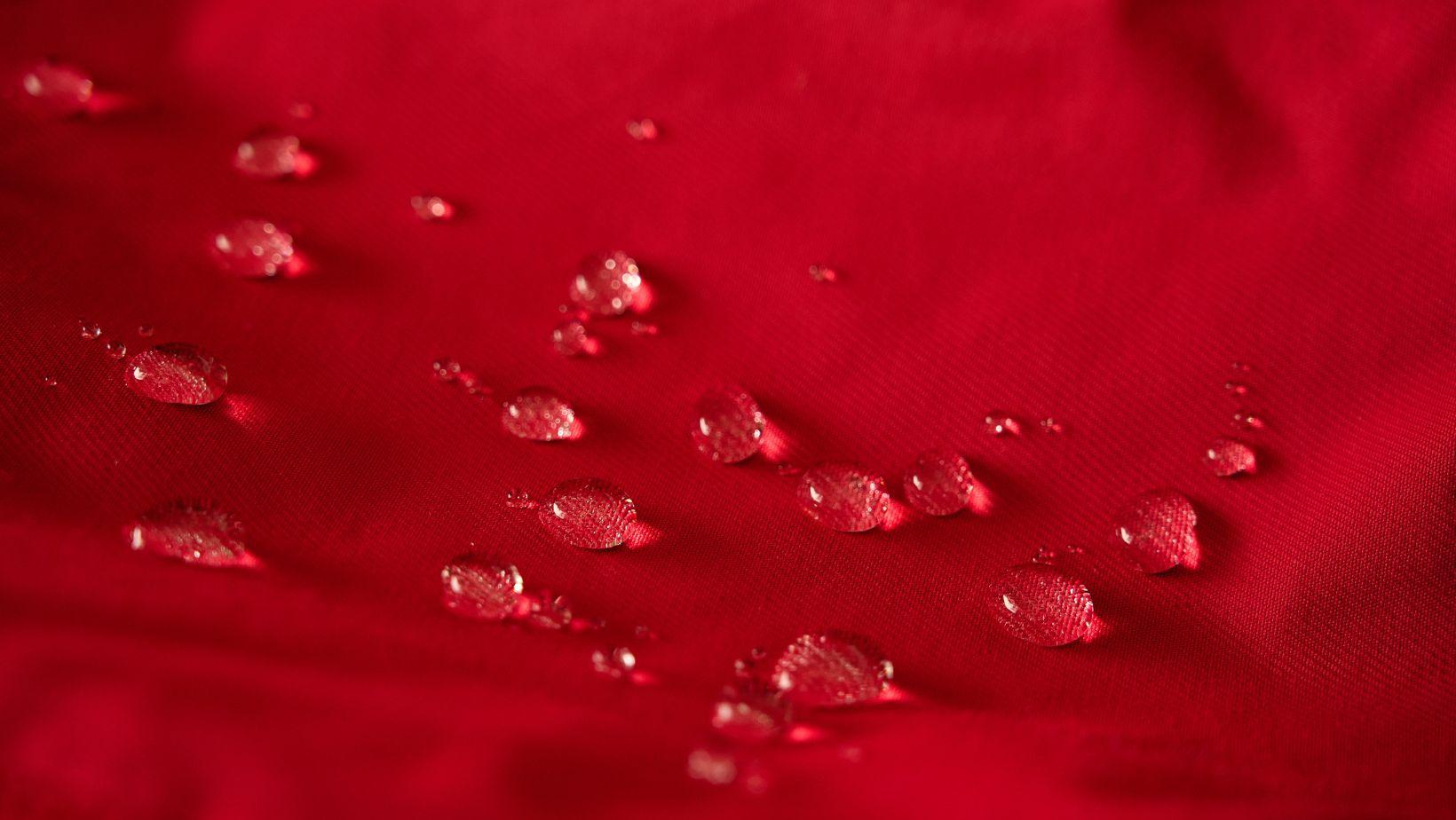
Early care matters, particularly when moisture, foot traffic, and everyday mess are part of the picture. Used correctly, a tile grout sealer forms a quiet layer of defence, helping grout hold its colour and strength long after installation.
Gentle Cleaning Habits That Protect Grout Structure
Keeping grout clean is important, but enthusiasm can backfire. Strong cleaners and abrasive tools often do more harm than good, slowly wearing away the surface they are meant to protect. Mild, pH-balanced products are a safer bet and still effective for everyday upkeep.
For routine cleaning, warm water and a soft brush usually handle the job without fuss. Deal with spills early and stains stay shallow, which means less scrubbing later. With time, that restraint pays off in grout that stays intact instead of thinning out.
Proper Ventilation Prevents Mildew and Mould
Poor ventilation creates the perfect conditions for mildew to settle into grout lines. Bathrooms and laundries are particularly vulnerable, but any tiled space can suffer if damp air lingers. Good airflow helps surfaces dry faster and keeps moisture from soaking in.
Exhaust fans, open windows, or even leaving doors ajar after heavy use can make a noticeable difference. Less lingering moisture means fewer dark patches and far less effort spent scrubbing mould away.
Limiting Water Exposure Between Cleanings
Grout absorbs water more readily than tile, which is why standing moisture causes so many long-term problems. After mopping or washing down tiled areas, a quick wipe to remove excess water helps prevent absorption. This reduces staining and slows down the gradual softening that leads to cracking.
It also supports any protective treatments already in place by reducing how hard they have to work day after day.
Reapplication Schedules Keep Protection Reliable
Protective coatings do not last forever, even when applied carefully. Eventually, wear and regular cleaning reduce their effectiveness. A simple test is to watch how grout reacts to water. If it darkens quickly, protection is likely fading.
Reapplying every year or two keeps moisture and grime from settling in. It is a simple task that can prevent far more disruptive repairs later on, particularly in areas that see constant use.
Fixing Small Imperfections Before They Spread
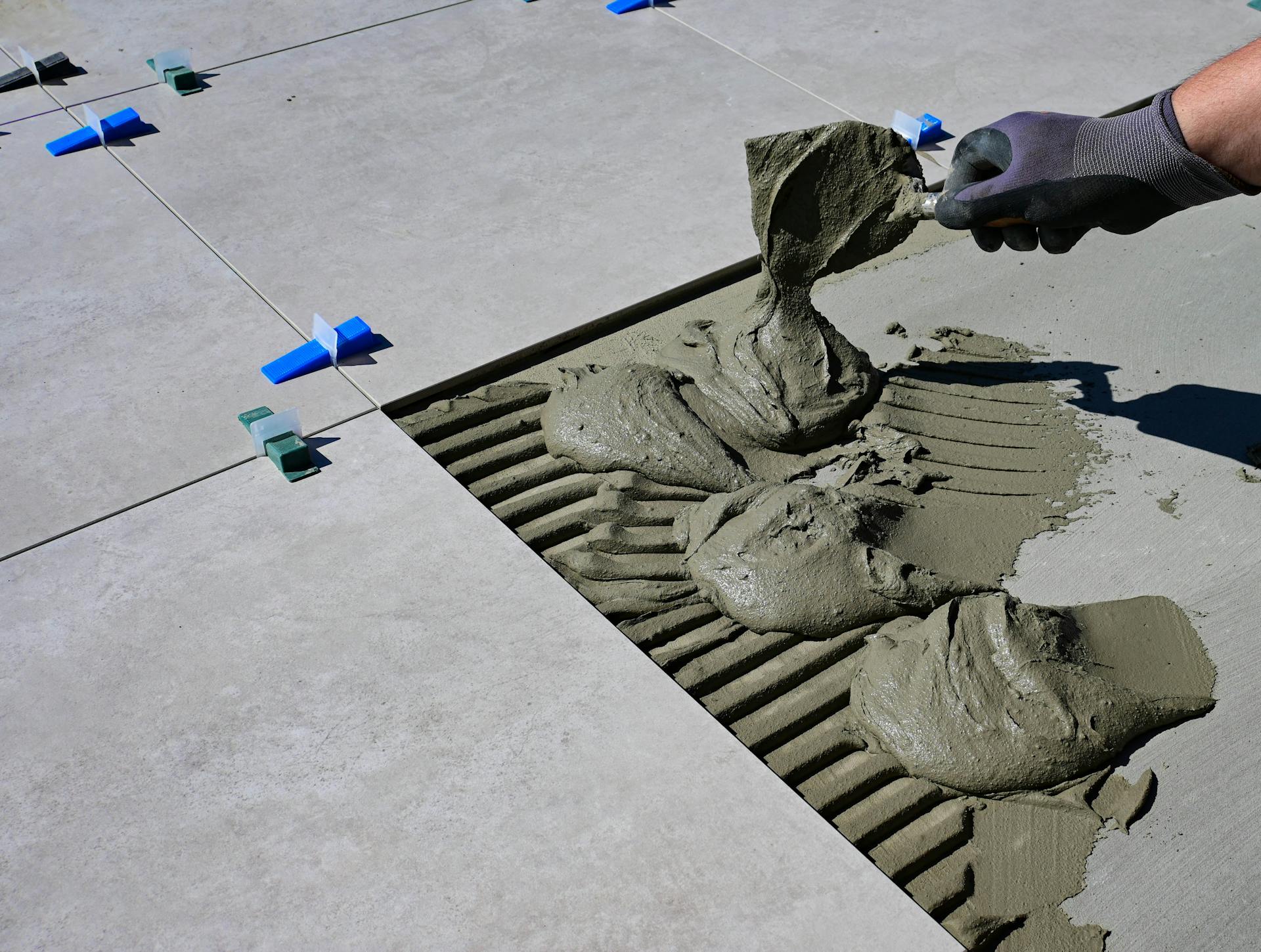
Hairline cracks and minor gaps can seem harmless at first glance. Left alone, they become entry points for moisture, which then spreads beneath tiles and weakens surrounding grout.
Quick repairs using a matching product restore both appearance and function. Taking action early also avoids the risk of tiles loosening or hidden water damage developing underneath the surface.
Selecting Grout Types That Suit the Space
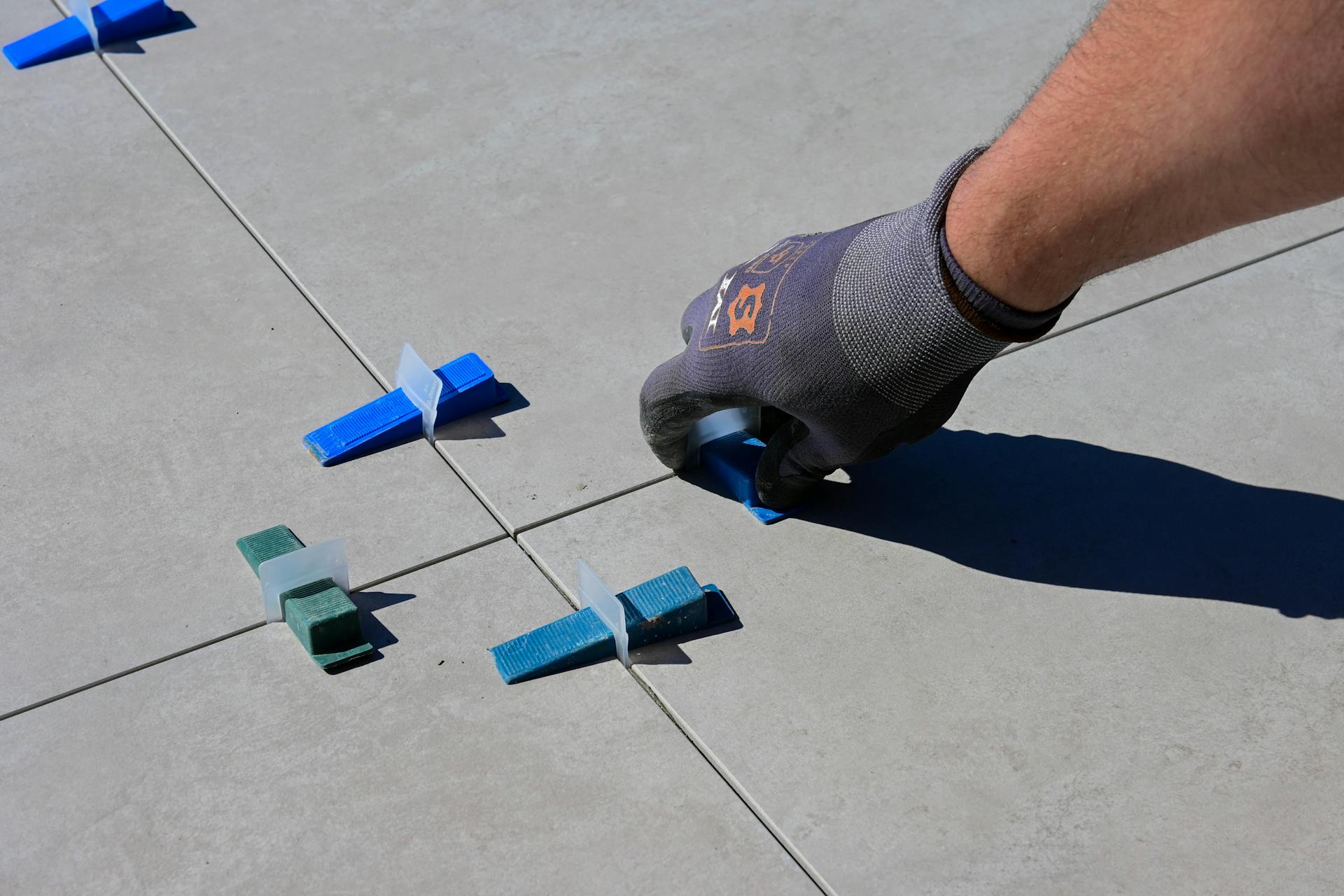
Different areas demand different levels of durability. High-moisture zones benefit from grouts designed to resist water and staining, while floors may need options that handle movement without cracking. During renovations or re-grouting, choosing the right formulation makes future maintenance far easier.
Some advanced grouts offer impressive resilience but require careful installation, so matching the product to both the space and skill level is worth considering.
Final Thoughts
Grout lasts longest when maintenance becomes routine rather than reactive. Gentle cleaning, proper ventilation, timely touch-ups, and sensible product choices all contribute to a surface that holds up under daily life.
These habits do not demand much time, yet they protect both the look and structure of tiled areas. With steady care, grout can age gracefully, keeping tiles looking sharp and saving unnecessary expense down the line.