There’s a moment — that tiny flicker of pride — when you look at something broken and think, Yeah, I can fix that. A loose wire. A leaky pipe. Maybe even a sputtering car.
But here’s the quiet truth most people learn the hard way: not every fix belongs in the “I’ve got this” category. Some repairs bite back. And while the internet makes everything look doable in ten minutes or less, real life tends to disagree.
Let’s walk through a few of the jobs that usually end in regret, not glory.
1. Anything That Involves Live Wires
Electricity doesn’t forgive small mistakes. You touch the wrong thing once, and it reminds you fast that physics doesn’t care about confidence.
The U.S. Consumer Product Safety Commission estimates that more than 4,000 injuries (some fatal) happen each year due to electrical accidents at home. And most of them start with good intentions — swapping a breaker, replacing a socket, rewiring “just this one light.”
Even pros double-check voltages before touching a line. So yeah… probably best not to wing that one.
2. Plumbing “Fixes” That End in Floods
Leaky faucets are fine. Go ahead, grab a wrench. But when you start hearing a gurgle behind the wall or water pressure suddenly drops, that’s when DIY turns into disaster.
It’s rarely just one pipe. Plumbing’s like a domino system, and when one joint fails, everything behind it gets stressed. According to HomeAdvisor data, water damage repairs average over $3,000 per incident — mostly from well-meaning homeowners who “just tightened a fitting.”
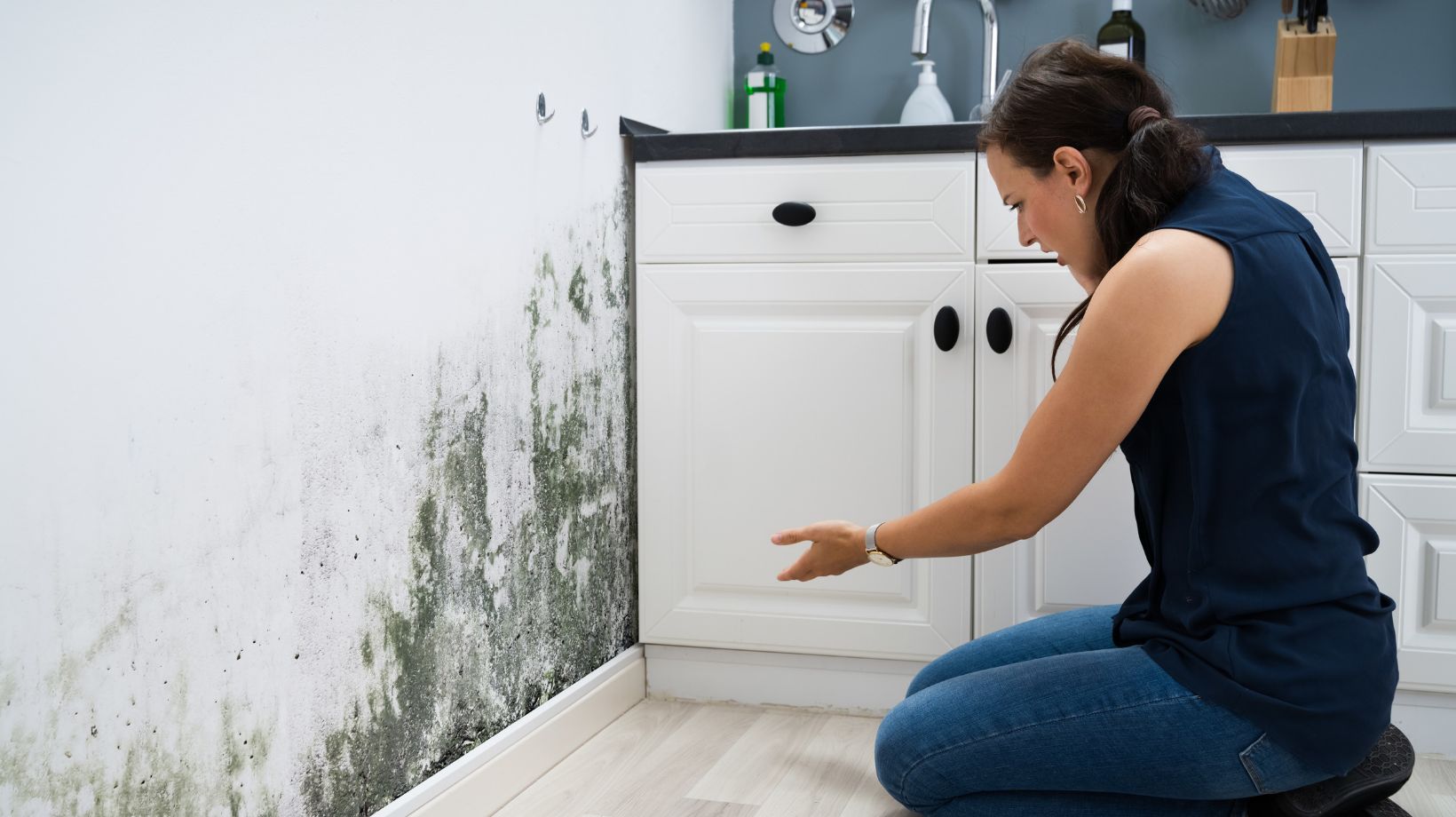
And honestly, you can smell a hidden leak long before you see it. That faint musty odor? It’s your house whispering, “Call a plumber.”
3. Car Engine or Transmission Work
Here’s where the “DIY spirit” really runs wild, especially in states like Arizona, where garage culture is strong. You see someone rebuilding an engine on YouTube and think, ‘Why not me?’
Well… because today’s vehicles are rolling computers. Sensors, modules, diagnostic codes — one mistake can throw everything off. It’s not just about tightening bolts anymore; it’s about understanding complex systems working in sync.
That’s why auto techs spend months learning how engines and electronics actually talk to each other. If you’ve ever thought, “I’d love to actually know what I’m doing under the hood,” schools like the Arizona Automotive Institute teach exactly that. Hands-on, real training. The kind that keeps curiosity from turning into costly mistakes.
4. Roof Work — Gravity Always Wins
You think you’ll be careful. Everyone does. But one slick shingle, one quick turn, and down you go. The Bureau of Labor Statistics reports over 100,000 ladder-related injuries annually, and roofing accounts for a hefty share.
Even when you don’t fall, DIY roofing almost never seals perfectly. Rain finds seams. It always does. And by the time you notice the damp patch on your ceiling, it’s not just a leak; it’s rot, insulation damage, and sometimes black mold creeping in slow motion.
So, unless you’ve got a safety harness and years of practice, stay on the ground.
5. Gas Lines — The Risk You Can’t Smell Until It’s Too Late
You might think, ‘It’s just connecting a stove.’ But gas doesn’t play fair. One tiny leak in a confined space, and you’ve got an explosion waiting for a spark.
Natural gas accidents injure hundreds every year in the U.S., and plenty of those come from DIY hookups gone wrong. It’s one of those invisible risks: no sound, no sight, just danger collecting quietly in the air.
If there’s one category that belongs exclusively to professionals, this is it.
6. Foundation and Structural Repairs
You can paint over a crack, sure. It’ll look fine for a while. Then the doors start sticking, and floors dip, and you realize that the crack wasn’t cosmetic but structural.
The ground under your home shifts slowly. It’s subtle, almost invisible. But patching the surface doesn’t fix the cause. Real foundation work involves hydraulic lifts, laser levels, and math most of us haven’t touched since high school.
This isn’t the kind of project you “wing.” It’s the kind that quietly worsens until the repair bill triples.
The Takeaway
DIY has its place. You learn, you save, you feel capable, and that’s worth something. But when it comes to safety, structure, or anything powered by gas, current, or pressure? That’s when pride starts costing more than a professional ever would.
Still… there’s nothing wrong with wanting to know how things work. Maybe that curiosity is what makes people better homeowners, better problem-solvers. Maybe that’s the real “do-it-yourself” part — learning when to learn, and when to let someone else take the wrench.