
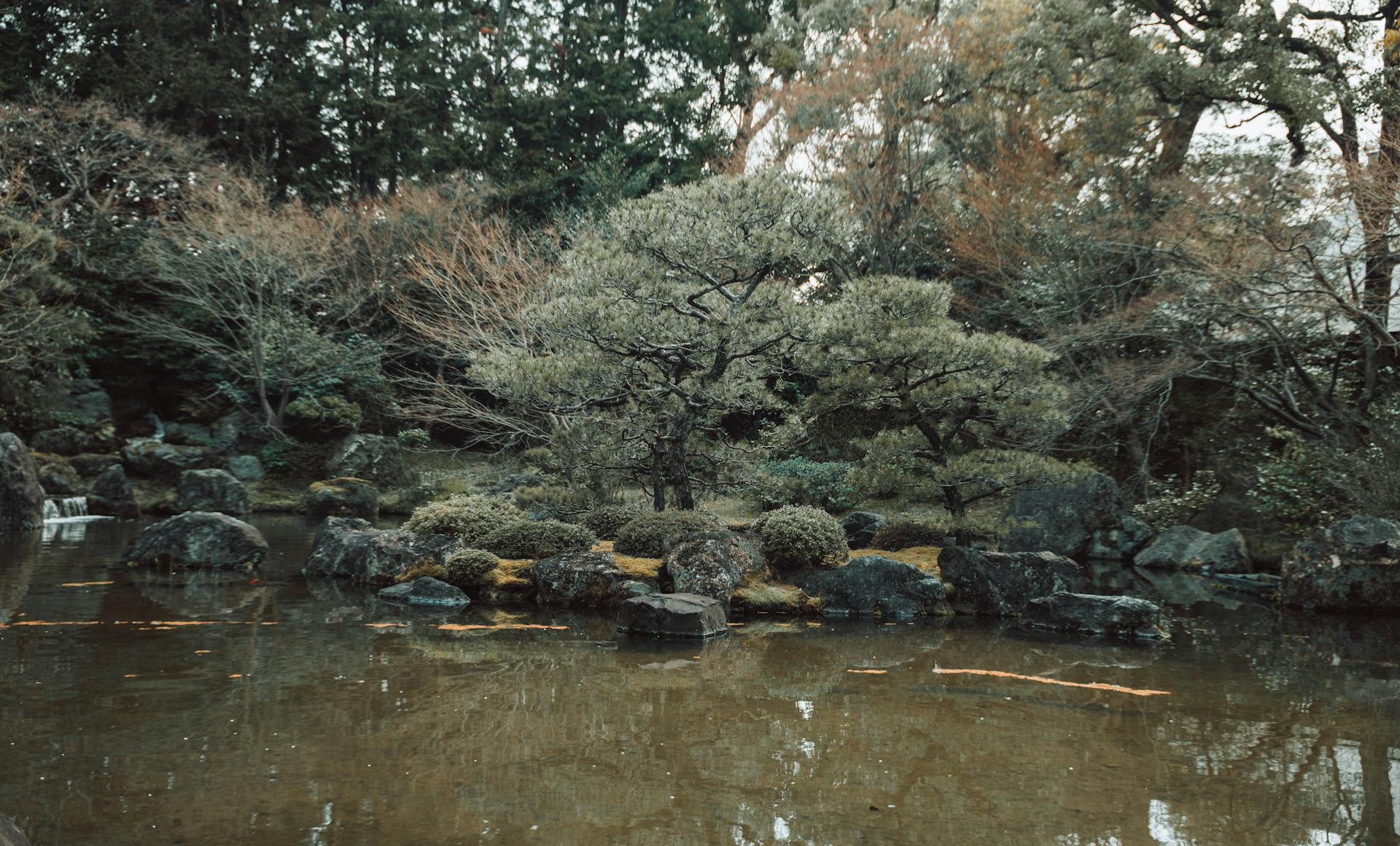
Modern life is filled with noise, movement, and constant stimulation. Our surroundings can either add to that pressure or become a place where we can slow down, breathe, and feel grounded again. Nature-inspired spaces have a unique ability to restore balance, quiet the mind, and create a sense of emotional ease. Whether you are designing a garden, refreshing a balcony, or shaping a peaceful corner indoors, drawing inspiration from nature can transform how you experience your environment.
This guide explores how to use natural elements to create spaces that support calm, clarity, and well-being.
- Start With a Clear Intention
Every calming space begins with purpose. Before choosing plants or furniture, ask yourself what you want the space to give you.
- Is it for relaxation after a long day?
- A place for reflection or meditation?
- Somewhere to reconnect with yourself or loved ones?
When your intention is clear, every design choice becomes easier. Calm is created when your space supports how you want to feel.
- Let Nature Lead the Design
Nature does not rush, and it does not force perfection. Allow your design to feel organic and natural rather than overly structured. Curved paths, flowing layouts, and gentle transitions help the space feel soothing and intuitive.
For outdoor environments, working with experts such as Nature’s Own Landscapes can help bring this vision to life, creating designs that blend beauty with balance and harmony.
- Bring Life Through Plants
Plants are the heart of any nature-inspired space. They bring color, texture, movement, and vitality.
Choose:
- Soft, flowing foliage for tranquility
- Aromatic herbs and flowers for sensory calm
- Layered plant heights for depth and interest
Even a few well-placed plants can change the emotional tone of a room or garden.
- Use Natural Materials
Materials found in nature instantly ground a space. Wood, stone, bamboo, clay, and woven fibers connect us back to the earth and soften modern interiors.

Natural materials:
- Create warmth
- Encourage touch and connection
- Reduce visual harshness
- Enhance emotional comfort
They remind us that calm is often found in simplicity.
- Add Water for Gentle Movement
Water brings stillness and motion at the same time. The sound of flowing water naturally relaxes the nervous system and encourages presence.
Consider:
- Small fountains
- Birdbaths
- Bubbling water features
- Shallow ponds
Water creates a peaceful rhythm that supports relaxation and reflection.
- Work With Light and Shadow
Light shapes emotion. Soft, natural light helps regulate mood and supports a calm atmosphere. Shadows add depth and texture, making spaces feel alive.
Use:
- Sheer curtains
- Pergolas or trellises
- Soft garden lighting
Balanced lighting creates a comforting and restorative environment.
- Choose a Gentle Color Palette
Nature-inspired colors support emotional harmony. Soft greens, warm browns, muted blues, and earthy neutrals help settle the mind.
Avoid harsh contrasts and instead aim for:
- Flowing color transitions
- Subtle variation
- Visual softness
Color should soothe, not stimulate.
- Create Comfortable Places to Pause
A calm space must invite rest. Seating should feel welcoming and encourage stillness.
Consider:
- Cushioned chairs or benches
- Hammocks or loungers
- Soft outdoor rugs or mats
- Small tables for tea or books
Comfort supports presence, and presence supports calm.
- Introduce Natural Sound
Sound plays a powerful role in emotional well-being. Gentle sounds connect us to the natural world.
You can use:
- Wind chimes
- Flowing water
- Bird feeders to attract wildlife
- Soft nature soundtracks indoors
These soundscapes bring rhythm and grounding into your environment.
- Blend Indoor and Outdoor Spaces
When nature feels connected to your living space, calm flows more freely. Large windows, sliding doors, and indoor plants help blur boundaries between inside and outside.
This connection reduces stress and encourages a feeling of openness and freedom.
- Create Areas for Mindfulness
A nature-inspired space becomes truly restorative when it supports quiet moments of awareness.
Use corners for:
- Journaling
- Meditation
- Reading
- Gentle breathing exercises
These small rituals transform space into a sanctuary.
- Care for the Space With Intention
Maintaining your space is part of its calming power. Watering plants, trimming foliage, and tidying paths become moments of mindfulness.
Care becomes connection.
- Let Your Space Evolve Naturally
Nature is always changing, and your space can reflect that. Seasonal plants, shifting light, and evolving layouts keep your environment fresh and alive.
Calm grows when you allow change rather than resist it.
Bringing It All Together
Creating calm through nature-inspired spaces is an act of self-care. It is a way of choosing peace, presence, and balance in your daily life. With thoughtful design, natural materials, and intentional moments of stillness, your environment becomes more than a backdrop. It becomes a source of grounding and renewal.
When your space reflects the rhythms of nature, calm follows naturally.