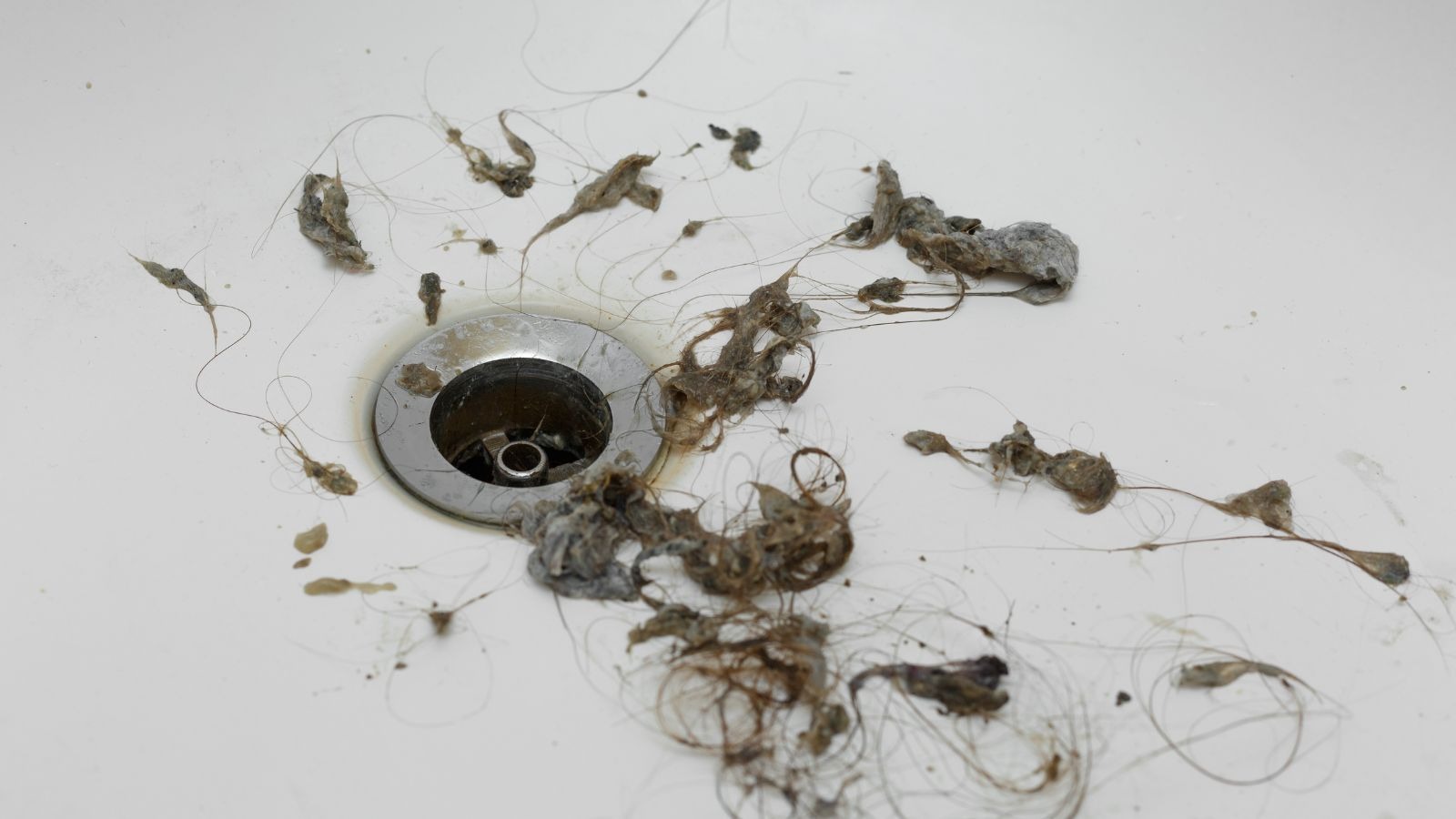
A clean, modern bathroom can still have one frustrating flaw. Everything looks spotless, water drains normally, yet an unpleasant odor lingers in the air. Many homeowners assume a blockage is to blame, but that isn’t always the case. In fact, a shower drain can smell even when flow seems perfectly fine.
Understanding what’s happening beneath the surface helps you fix the issue correctly instead of relying on temporary solutions. For those dealing with persistent odors or early warning signs, exploring professional options like drain cleaning services in Bellevue – https://bens.plumbing/areas/bellevue/drain-cleaning/ – can be a practical next step when home remedies stop delivering lasting results.
Let’s break down the real causes behind these smells and what you can do about them.
What Causes Odors Without a Clog
Drain smells often come from two main sources: biological buildup and mechanical issues. Knowing the difference allows you to apply the right fix instead of guessing.
Biological causes develop from organic residue. Soap, shampoo, body oils, and skin particles form a thin film along the pipe walls. Over time, bacteria feed on this material and produce unpleasant smells.
Mechanical causes relate to how your plumbing system functions. These include problems with the trap, venting, or pipe connections. Even a perfectly clear pipe can allow odors to rise if airflow or sealing isn’t working correctly.
In many cases, both factors appear together. A light biofilm layer combined with a weak water seal can create a noticeable smell even when water drains freely.
How to Identify the Type of Smell
Different odors often point to different underlying issues. Paying attention to the type of smell can save time and effort.
A sulfur-like or “rotten egg” scent often signals bacterial activity or escaping gases. A musty smell usually points to mildew near the drain cover. A stronger sewage-like odor may indicate that the trap is not holding water properly.
Timing also matters. If the smell appears after the shower hasn’t been used for a while, the trap may have dried out. If odors return quickly after cleaning, biofilm buildup is likely still present deeper in the pipe.
How to Clean and Deodorize the Drain Effectively
Surface cleaning alone rarely solves the problem. The goal is to remove buildup inside the upper section of the pipe where most odor originates.
Start by removing the drain cover and washing it thoroughly. Residue often collects underneath and contributes to the smell. Next, remove visible hair or debris near the opening.
A simple but effective method includes:
- Pour baking soda into the drain
- Add vinegar slowly and allow it to react
- Wait about 10–15 minutes
- Rinse with hot (not boiling) water
This process helps break down organic buildup along the pipe walls. Following up with a rinse ensures loosened material is flushed away.
After cleaning, briefly run water and check for improvement. If the smell disappears, the issue was likely surface-level buildup.
When Natural Remedies Are Enough
Light maintenance works well for early-stage odor problems. Regular use of mild cleaning methods can prevent buildup from returning quickly.
Enzyme-based cleaners are another option. These products break down organic material without damaging pipes. They are especially useful in showers where heavy product use is common.
However, consistency matters more than variety. Using multiple cleaning methods at once can reduce effectiveness or create mixed odors.
If results last only a short time, the issue likely extends beyond surface buildup.
Why the P-Trap Matters More Than You Think
Every shower drain includes a curved pipe section known as a P-trap. This component holds a small amount of water that blocks sewer gases from entering your home.
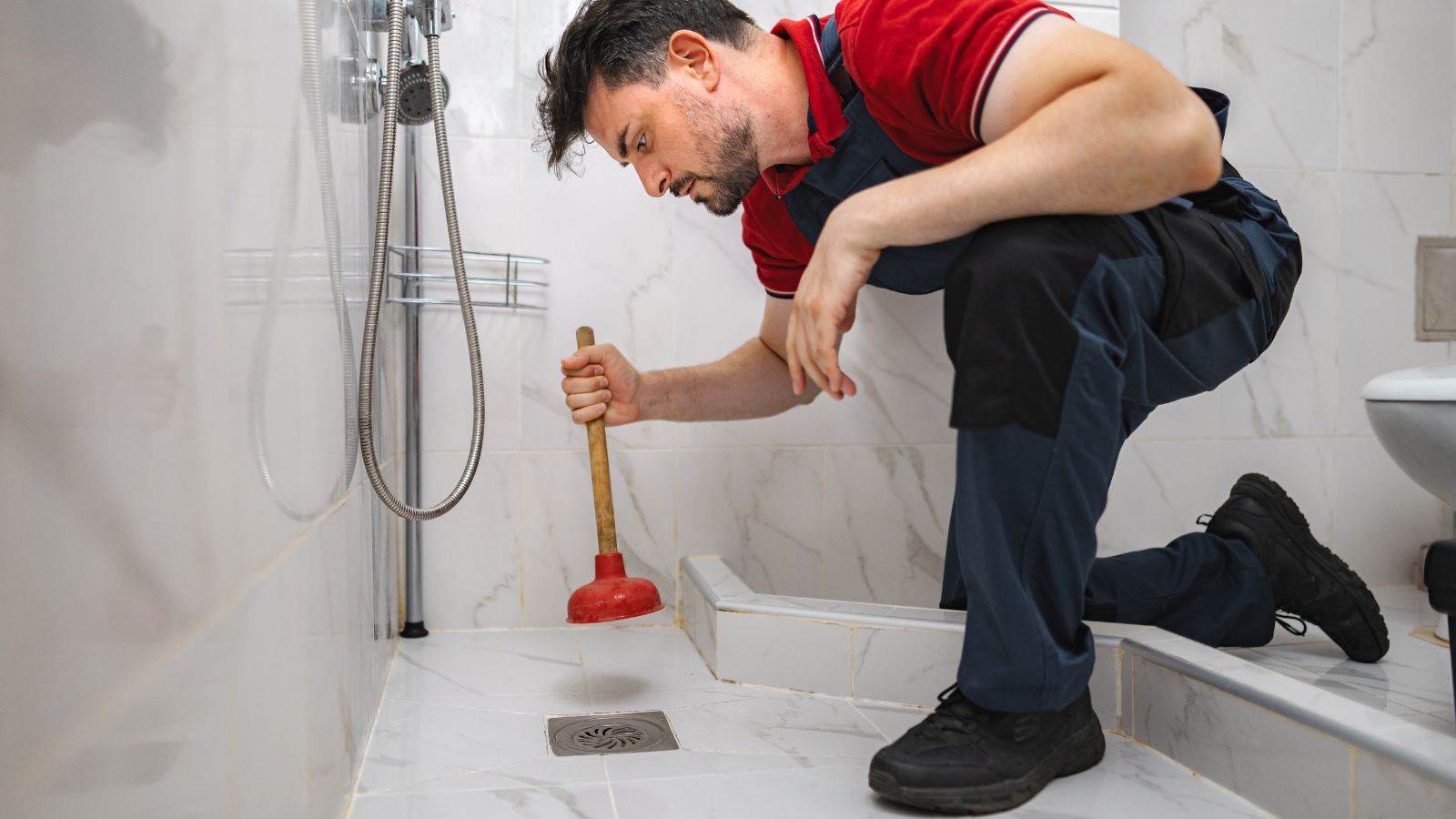
When that water evaporates, the protective seal disappears. As a result, odors travel upward into the bathroom.
This situation often occurs in rarely used showers. Running water for 15–30 seconds restores the seal and resolves the smell almost instantly.
In some cases, a slow leak or improper installation may prevent the trap from holding water consistently. That requires closer inspection.
Venting Problems and Hidden Causes
Airflow plays a key role in how plumbing systems function. Vent pipes regulate pressure and allow wastewater to move smoothly.
When vents become blocked or restricted, air may be pulled through nearby drains. This process can carry odors into the bathroom even when pipes are clear.
Signs of vent-related issues include:
- Gurgling sounds during drainage
- Odors that worsen during or after showers
- Smells that change with weather conditions
These problems typically require professional evaluation because the source is not easily accessible.
When It’s Time to Call a Professional
DIY solutions work well for basic maintenance, but certain patterns indicate a deeper issue.
Consider professional help if:
- Odor returns within a few days after cleaning
- Multiple drains develop similar smells
- Gurgling occurs in nearby fixtures
- Moisture appears around pipes or connections
- Strong sewage smells persist
A professional inspection can identify whether the issue comes from biofilm, venting problems, or structural damage. Using tools like camera inspections, specialists locate the exact source without unnecessary guesswork.
Ben’s Plumbing offers targeted diagnostics and cleaning services that address the root cause rather than masking symptoms. This approach ensures long-term results instead of repeated short-term fixes.
How to Prevent Future Drain Odors
Preventing smells is easier than eliminating them after they develop. A few simple habits can make a noticeable difference.
Install a hair catcher to reduce debris entering the drain. Rinse the drain with hot water regularly to prevent buildup. Clean the drain cover and surrounding area weekly to stop mildew from forming.
For showers that are rarely used, run water periodically to maintain the trap seal. These small actions reduce the likelihood of recurring odor problems.
Addressing the root cause instead of masking the smell leads to better results. Regular maintenance, combined with timely professional support when needed, keeps your bathroom fresh and comfortable.