Table of Contents
ToggleLivingpristine means keeping a home clean, healthy, and low-impact. This guide explains clear principles and simple actions. It shows who benefits and what to do first. The language stays direct. The steps stay practical.
Contents
Key Takeaways
- LivingPristine means maintaining a clean, healthy, and sustainable home by using non-toxic cleaners and low-waste habits consistently.
- Adopting LivingPristine benefits health by reducing allergens and chemicals, making it ideal for families, pet owners, and busy professionals.
- The approach lowers environmental impact through refilling containers, reducing water use, and choosing eco-friendly products.
- Financial savings come from extending appliance life, cutting repair costs, and reducing disposable purchases with quality tools and refill systems.
- A practical LivingPristine routine includes daily and weekly simple tasks tailored room-by-room to keep messes small and manageable.
- Consistent decluttering and sustainable product swaps enhance home cleanliness, reduce waste, and improve mood and focus.
What LivingPristine Means Today — Principles, Benefits, And Who It’s For
Livingpristine describes a daily approach to home care. It mixes cleaning, health, and sustainability. The first principle favors non-toxic cleaners. The second principle favors low-waste habits. The third principle favors consistency over occasional deep cleans.
People choose livingpristine for health reasons. They reduce allergens and chemical exposure. They lower respiratory and skin irritation risks. Families with children or pets find this approach useful. Busy professionals find it time-efficient. Anyone who wants predictable results can adopt these steps.
Buying guides livingpristine also delivers environmental benefits. It cuts single-use plastic by swapping to refillable containers. It lowers water use by choosing short, purposeful clean sessions. It reduces chemical runoff when people choose phosphate-free products. These choices lower a household’s monthly waste and footprint.
Livingpristine gives financial benefits. It extends the life of appliances and surfaces. It reduces repair and replacement costs. It lowers spending on disposable items. Small investments in quality tools and refill systems pay back over months.
People who start livingpristine see improved mood and better focus. A clean space reduces visual clutter. The home feels calmer. The routines free mental energy for work or rest. The routines suit tenants, homeowners, and small-space dwellers. The plan works for urban and rural homes alike.
Key results arrive from simple habits. Small, daily actions keep messes small. Smart swaps remove harmful chemicals. Consistent product choices lower monthly buying. Those results make livingpristine a practical, repeatable lifestyle.
Practical Step-By-Step LivingPristine Routine For Every Room
This section lists room-by-room steps. Each step uses common products and short tasks. The routine fits a weekly rhythm and a quick daily reset.
Kitchen
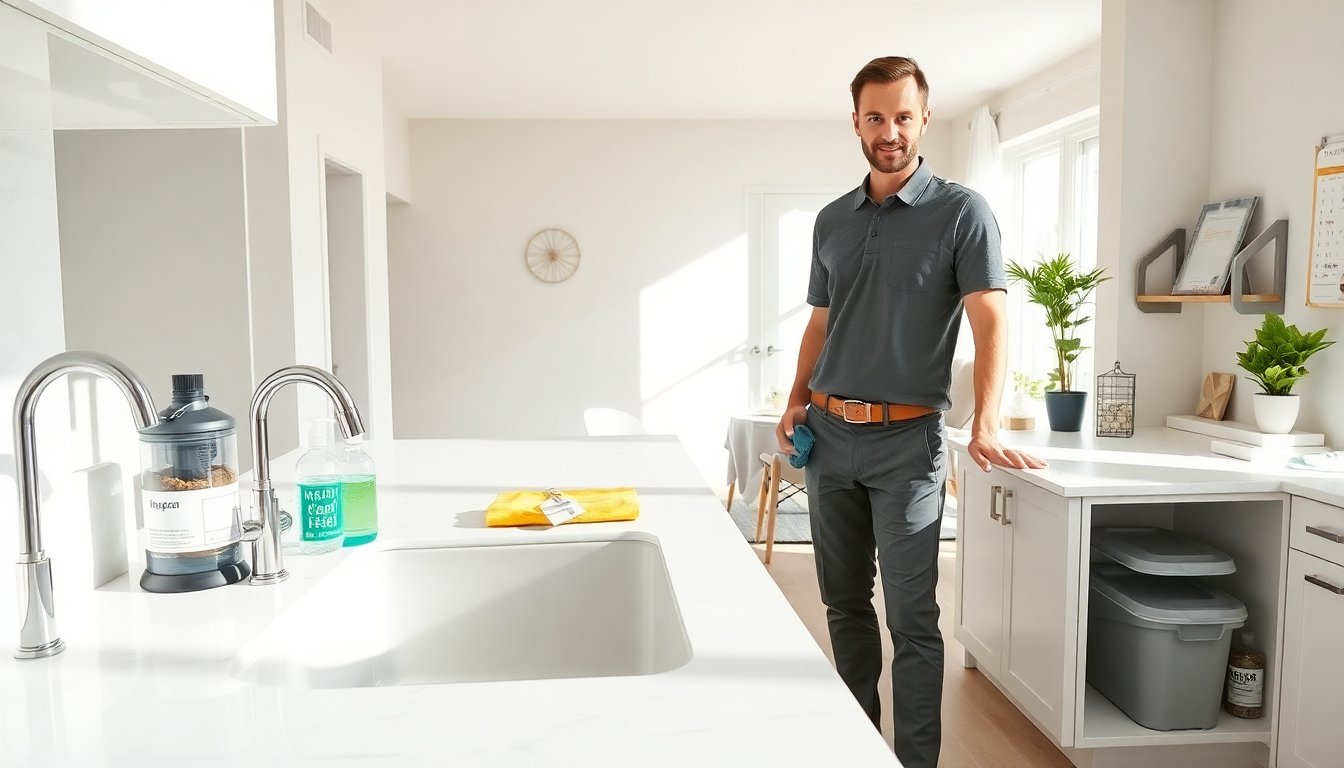
They wipe counters after each meal. They use a mild, plant-based cleaner for food surfaces. They run a vinegar rinse for the sink once a week. They place compostable scraps in a bin for composting or municipal pickup. They store bulk staples in glass jars to cut packaging waste. They keep dishcloths clean by running them through the washer weekly. They check seals on the refrigerator monthly. They clean the filter or replace it on schedule.
Bathroom
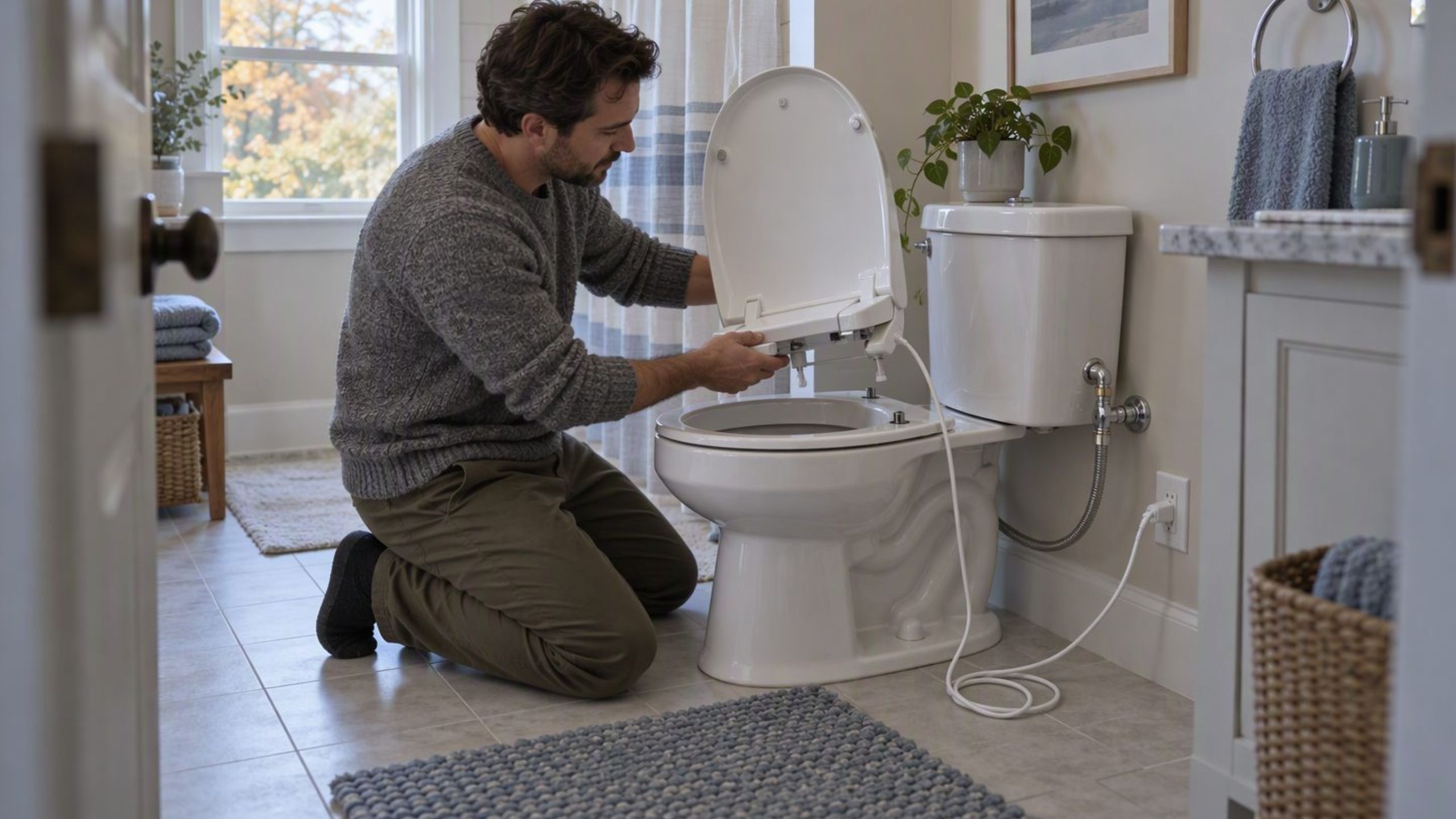
They use a gentle, bleach-free cleaner on tubs and tiles weekly. They use microfiber cloths for mirrors and fixtures. They use a scrub brush for grout on a monthly schedule. They replace toothbrush heads and disposable razors on a planned cadence. They use refillable soap dispensers to cut plastic waste. They install a low-flow showerhead to save water.
Living Areas and Bedrooms
They dust high-traffic surfaces twice a week. They vacuum floors and rugs weekly. They open windows for 10 to 15 minutes on dry days to refresh air. They wash bed linens every one to two weeks. They donate items they no longer use on a monthly schedule. They use plants that improve air quality and require low maintenance.
Entryway and Mudroom
They store shoes on racks to reduce dirt inside. They use washable mats to capture grit and moisture. They keep a small basket for lost items to prevent clutter. They wipe door handles and switches weekly because these surfaces carry germs.
General Tools and Habits
They keep a compact set of good tools: a microfibre cloth set, a neutral pH cleaner, a multi-surface spray, a duster, and a vacuum with HEPA filter. They store cleaning tools where they use them to reduce friction and time cost. They label refill containers to avoid misuse.
They set a short weekly list that takes 60 to 90 minutes. They divide tasks across family members or roommates. They check supplies once a week and refill before items run out. They batch errands to buy refills and donate items together.
Weekly Cleaning, Sustainable Product Swaps, And Simple Decluttering Habits
They plan one focused session each week. They pick one deep task and several quick tasks. They rotate deep tasks among rooms on a four-week cycle. They swap disposable paper towels for washable cloths. They swap single-use cleaners for concentrated refills.
They choose products with clear ingredient lists and third-party certifications when possible. They prefer fragrance-free options for sensitive individuals. They choose plastic-free packaging or recyclable formats when available. They reuse glass jars for storage and cleaning mixes.
They declutter by asking three questions: Do they use it? Do they need it? Does it bring value? They box items that fail these tests for donation or resale. They keep a small donation bag in the closet to reduce buildup.
They track small wins to keep momentum. They note reduced time spent cleaning and lower supply costs. They adjust the routine when a task proves unnecessary. They share tasks with others to keep standards high and work low.
This approach makes livingpristine manageable. It keeps homes cleaner, healthier, and lower in waste. People see steady results when they repeat these steps each week.