Table of Contents
ToggleCreating a beautiful home environment is not limited to what happens indoors. Increasingly, homeowners are recognizing that outdoor spaces can serve as an extension of their lifestyle, offering both functionality and a sense of calm.
Whether it is a small patio, a backyard garden, or a full outdoor living area, intentional design choices can help turn these spaces into places that feel just as curated and inviting as the interior of a home.
Contents
Designing with Purpose and Simplicity
A well-designed outdoor space often begins with a clear sense of purpose. Some homeowners may prioritize relaxation, while others focus on entertaining or creating a family-friendly environment. Regardless of the goal, a few foundational elements are generally useful:
- Clean, uncluttered layouts
- Natural materials such as wood, stone, or greenery
- Comfortable seating that encourages longer use
- A cohesive color palette that complements the home
Simplicity is often key. Rather than overcrowding a space, thoughtful selection of a few well-placed elements can help create a more refined and calming atmosphere.
Bringing Balance Between Nature and Structure
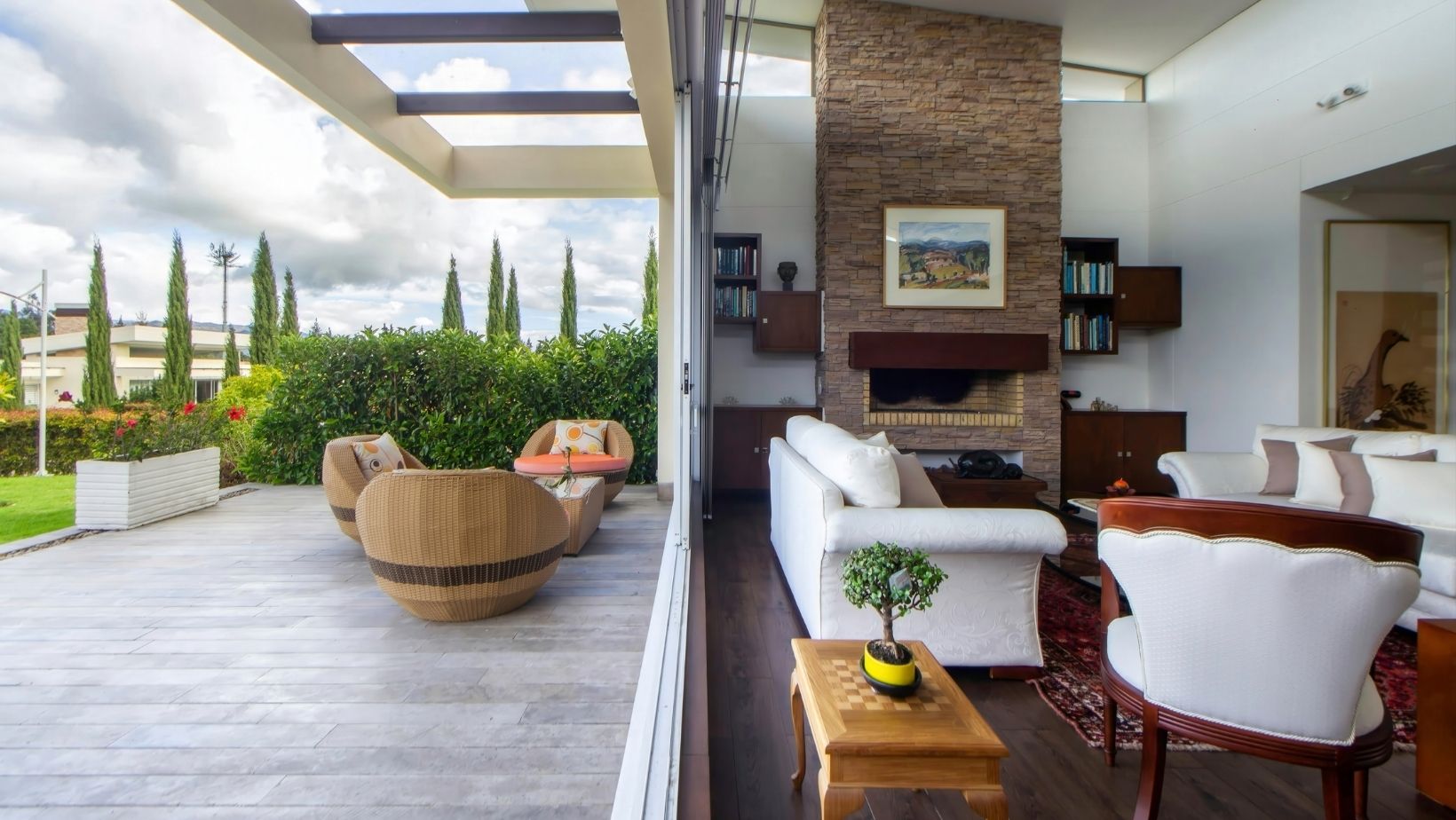
One of the defining characteristics of a well-curated outdoor space is balance. Hard elements like patios, pathways, and furniture can provide structure, while plants and greenery soften the environment. This balance may help create a more harmonious setting that feels both intentional and organic. Incorporating the following features can help guide the flow of the space without overwhelming it:
- Layered plant arrangements
- Defined walkways
- Subtle focal points like water features or fire pits
The Subtle Impact of Lighting in Outdoor Spaces
Lighting is often an overlooked aspect of outdoor design, yet it can significantly influence how a space is experienced, especially in the evening hours. Rather than relying on a single bright source, layered lighting tends to be more effective. This approach may include:
- Soft pathway lighting to improve visibility
- Accent lighting to highlight architectural features or plants
- Ambient lighting for seating or gathering areas
When thoughtfully implemented, lighting can help create a warm and inviting atmosphere while also supporting functionality.
Landscape Lighting Plays a Key Role
In many outdoor designs, landscape lighting is a central element that can help tie the entire space together. Well-placed lighting may serve multiple purposes, including improving safety, enhancing visual appeal, and extending the usability of outdoor areas into the evening. It can also help highlight textures, shapes, and focal points that may not be as noticeable during the day.
For homeowners exploring ways to elevate their outdoor environment, incorporating lighting into the design plan can be a practical and aesthetic consideration. Resources may offer insight into different approaches and styles that align with specific preferences. While the exact setup will vary depending on the layout and goals of the space, lighting that is subtle and well-positioned is often more effective than overly bright or intrusive solutions.
Creating an Outdoor Space You’ll Actually Use
An outdoor area should not just look good, it should feel usable and inviting on a daily basis. To encourage consistent use, homeowners may consider:
- Adding weather-resistant textiles for comfort
- Incorporating shade elements for daytime use
- Designing flexible seating arrangements
- Ensuring pathways and transitions feel natural
Small adjustments can often make a meaningful difference in how frequently a space is used.
A Lifestyle Extension, Not an Afterthought
Outdoor spaces are increasingly being viewed as an extension of the home rather than an afterthought. With thoughtful planning and intentional design, these areas can support relaxation, connection, and everyday living.
By focusing on simplicity, balance, and subtle enhancements like lighting, homeowners can create outdoor environments that feel both functional and restorative. Over time, these spaces may become some of the most valued areas of the home.