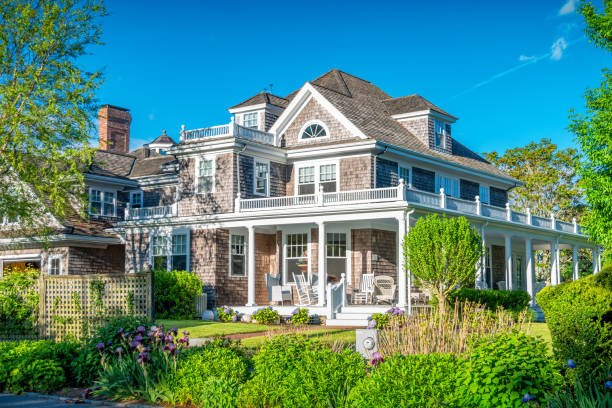
If you love the idea of having a beautiful garden but dread the constant watering, weeding, and upkeep, you’re not alone. The good news is you don’t have to choose between beauty and free time. With the right approach, you can create a garden that’s easy to care for and eco-friendly too.
Start With Native Plants
The first step to designing a low-maintenance garden is choosing plants that naturally thrive in your local climate. Native plants are adapted to your region’s soil and weather, so they need less water and care than imported species. According to the U.S. Forest Service, native plants can use up to 80% less water than traditional lawns. Here’s why native plants make your garden easier to manage:
- They resist local pests and diseases naturally
- They require less watering once established
- They attract pollinators like bees and butterflies
Group Plants by Water Needs
To save time and water, group plants with similar watering needs together. This method, called hydrozoning, ensures you don’t overwater or underwater any plants.
When planning your layout:
- Place drought-tolerant plants in one section
- Keep water-loving plants together in another area
- Install drip irrigation to deliver water straight to roots
This setup makes watering efficient and reduces waste through evaporation.
Use Mulch to Control Weeds and Save Water
Mulching is one of the easiest ways to lower garden maintenance. A 2 to 3 inch layer of mulch helps keep the soil moist, blocks weeds from growing, and improves soil health as it breaks down. Organic mulches like bark, leaves, or straw are eco-friendly and budget-friendly. You won’t have to water as often, and you’ll spend less time pulling weeds.
Choose Perennials Over Annuals
Annual flowers need to be planted every year, which can be time-consuming. Perennials, on the other hand, come back year after year with little care. By filling your garden with hardy perennials, you’ll cut down on planting work, and your garden will stay vibrant throughout the seasons. Look for long-blooming varieties that attract pollinators like bees and butterflies.
Reduce Lawn Space
Lawns are beautiful, but they need a lot of mowing, watering, and fertilizing. Reducing the size of your lawn and replacing it with ground covers, gravel paths, or native plant beds can save you hours of upkeep. Even replacing just part of your lawn makes a big difference in how much water and energy you use.
Get Expert Help If Needed
If planning your garden feels overwhelming, you don’t have to do it alone. Professionals who specialize in sustainable landscaping in GTA can design a layout that fits your style while reducing maintenance needs. They can also help you choose climate-friendly plants and set up water-saving systems that work for your space.
Design-build firms and landscape contractors can streamline sustainable projects with professional CAD landscape design software. By importing property surveys, leveraging native plant libraries, and using auto-count labeling, teams can create landscape designs that align hydrozones, specify drip irrigation, and minimize lawn areas with precise takeoffs. Hand-drawn–style outputs and standardized symbols speed client approvals and help crews execute low-maintenance plans consistently, from proposal to install.
Design-build firms and landscape contractors can streamline sustainable projects with professional CAD landscape design software. By importing property surveys, leveraging native plant libraries, and using auto-count labeling, teams can create landscape designs that align hydrozones, specify drip irrigation, and minimize lawn areas with precise takeoffs. Hand-drawn–style outputs and standardized symbols speed client approvals and help crews execute low-maintenance plans consistently, from proposal to install.
Endnote
Designing a low-maintenance, sustainable garden is not just good for the planet, it’s also good for your peace of mind. By choosing native plants, grouping them wisely, using mulch, and cutting down on lawn space, you’ll create a garden that’s easy to care for and beautiful all year long. In just a short time, you can enjoy a greener yard with less work.