
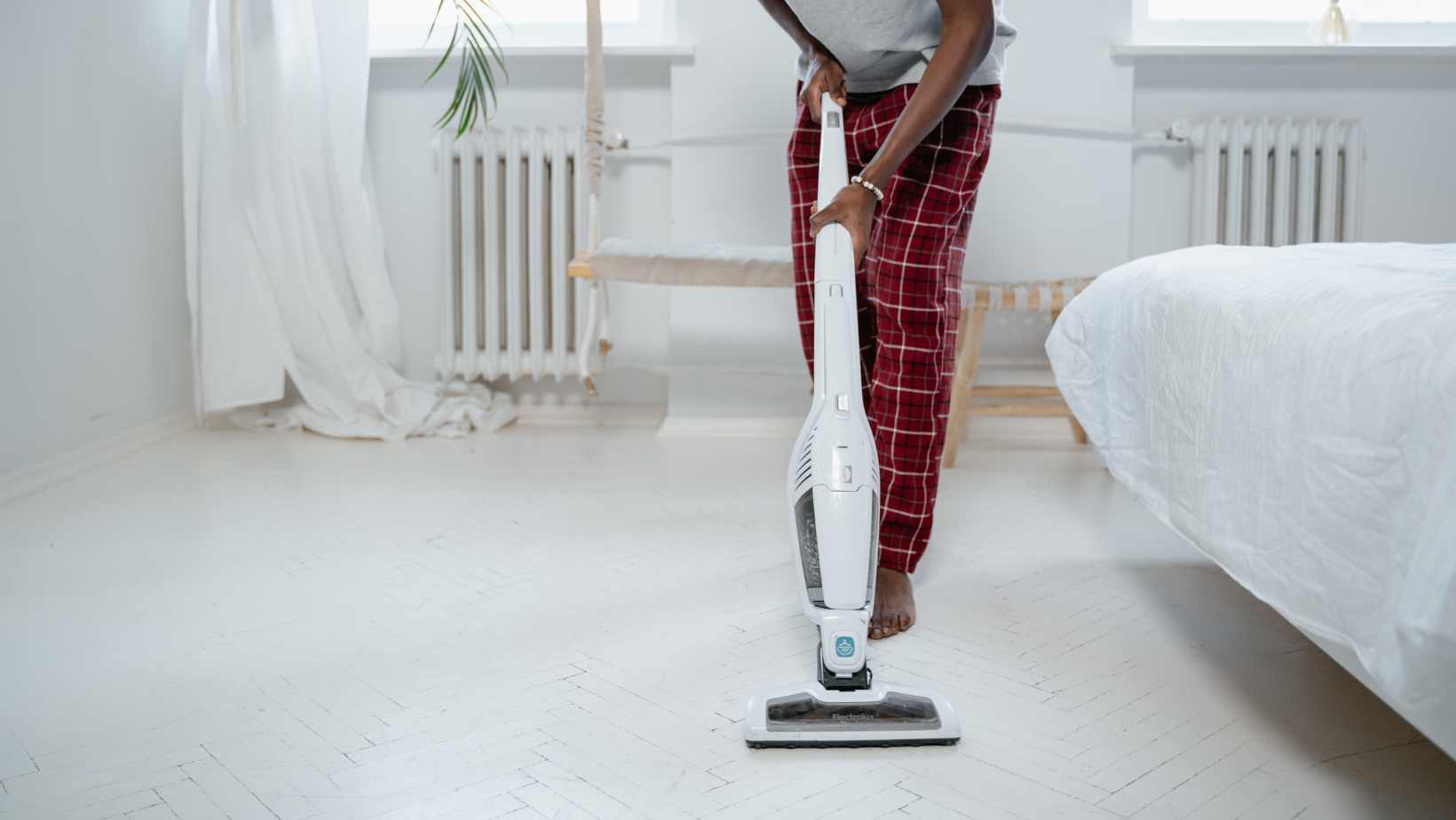
When it comes to Shark Vacuum Disassembly, I’ve got you covered! It’s no secret that Shark vacuums are reliable cleaning tools, but like all machines, they occasionally need a little TLC. Perhaps it’s not sucking up dirt as efficiently as before or maybe you’re just curious about the inner workings of your appliance. Either way, disassembling your vacuum can be an enlightening experience.
Now, before we delve into the step-by-step process, let me assure you – it’s not rocket science. You don’t need to be a handyman extraordinaire or possess a collection of fancy tools. In fact, with a little patience and careful attention to details, anyone can master the art of Shark Vacuum Disassembly.
I hope this article serves as a helpful guide in your maintenance journey. By understanding how to properly take apart and put back together your vacuum cleaner, you’ll extend its lifespan and maximize its efficiency – because nothing beats the satisfaction of a well-functioning home appliance!
Shark Vacuum Disassembly
Does your Shark vacuum need a little TLC? I’m here to help you navigate the process of disassembling your trusty cleaning companion. Don’t worry, it’s not as daunting as it sounds.
Identifying Parts of Your Shark Vacuum
Before we dive into the disassembly, let’s familiarize ourselves with the key components of our Shark vacuum. Here are a few parts that you’ll likely interact with:
- Dust Cup: This is where all the dirt goes. It’s typically clear so you can see when it’s full and needs emptying.
- Filters: Usually there are two types: pre-motor and post-motor filters. These trap fine dust particles and prevent them from reaching the motor or blowing back out into your room.
- Motor Assembly: The heart of your Shark vacuum, this powers everything.
- Brushroll: Found at the base, this spins to pick up debris from carpets and hard floors alike.
- Hose: This is how suction gets from point A (the floor) to point B (the dust cup).
Step-by-Step Guide: Shark Vacuum Disassembly
Ready for action? Let’s break down those steps needed for a successful shark vacuum disassembly:
- First off, do ensure that your vacuum is unplugged before starting any work on it – safety first!
- Next step: remove the dust cup by pressing down on release buttons found usually near its top handle.
- For filter removal, check both above and below the dust cup – some models have filters in both locations.
- Now comes brushroll time! Depending on model type, there might be bottom plate screws you have to unscrew first before successfully taking out brushroll.
Remember: It’s always good practice to take pictures or notes while doing these steps – they’ll be a great help when reassembling!
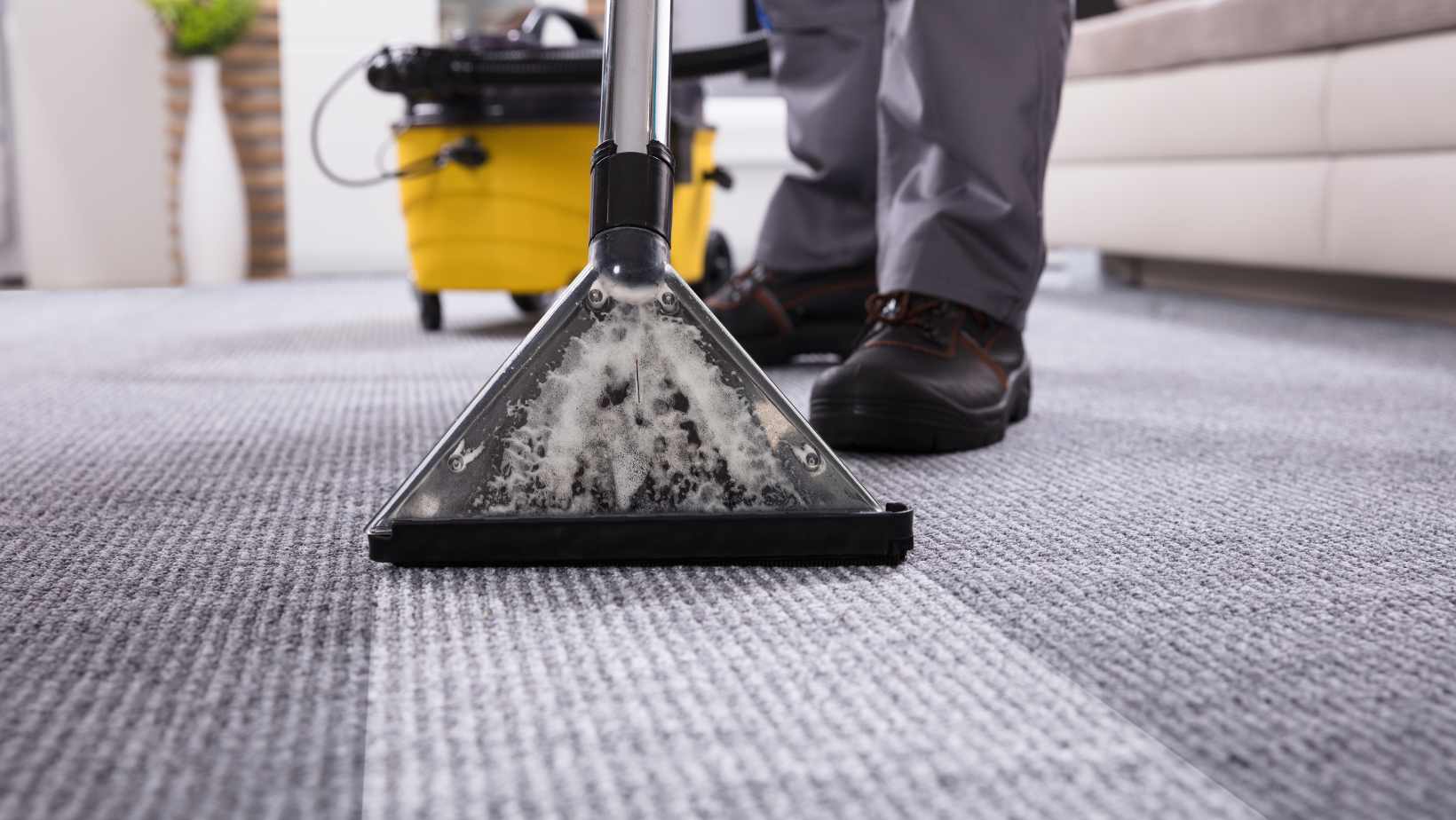
Step-by-Step Guide to Shark Vacuum Disassembly
If you’re like me, you’ve probably found yourself wondering how to disassemble your Shark vacuum cleaner. Whether it’s for routine maintenance or a more serious repair job, knowing how to take apart your machine can be extremely beneficial. So let’s get started with this step-by-step guide.
The first step in the process is to ensure that the vacuum is unplugged from any power sources. We definitely don’t want any surprises while we’re working on our machine!
Next, remove the dust cup from your Shark vacuum. It’s typically located at the front of the device and can be easily detached by pressing down on release buttons found on either side of the cup.
Now comes a slightly tricky part: removing the handle and hose assembly. You’ll usually find a small button near where these two components connect to each other. Pressing this will allow you to carefully slide out the handle and hose.
After that, it’s time for us to tackle removing the brush roll housing at the bottom of your Shark vacuum. This area often houses a lot of dust and debris so be prepared! A few screws generally hold this part together – just loosen them up and gently pull away from main body.
Lastly, detach all remaining parts like filters or miscellaneous attachments according to their specific instructions (usually found in user manual).
Remember:
- Always unplug before starting
- Work carefully and methodically
- Consult your user manual if unsure
And there you have it! With patience and care, I’ve found that anyone can successfully carry out a Shark Vacuum disassembly. Just remember – reassembly is simply following these steps backwards! After all, if I could do it then surely so can you.