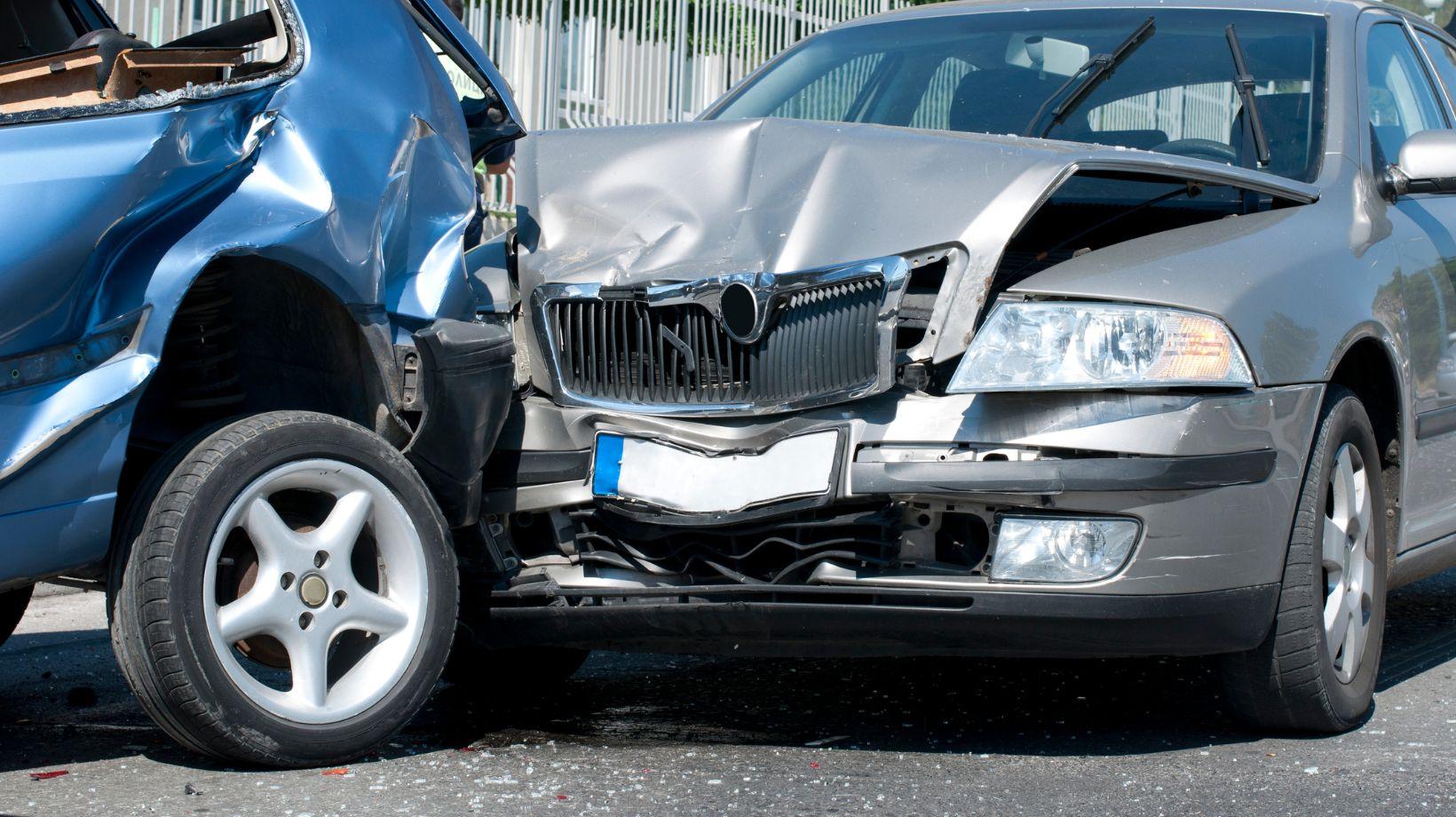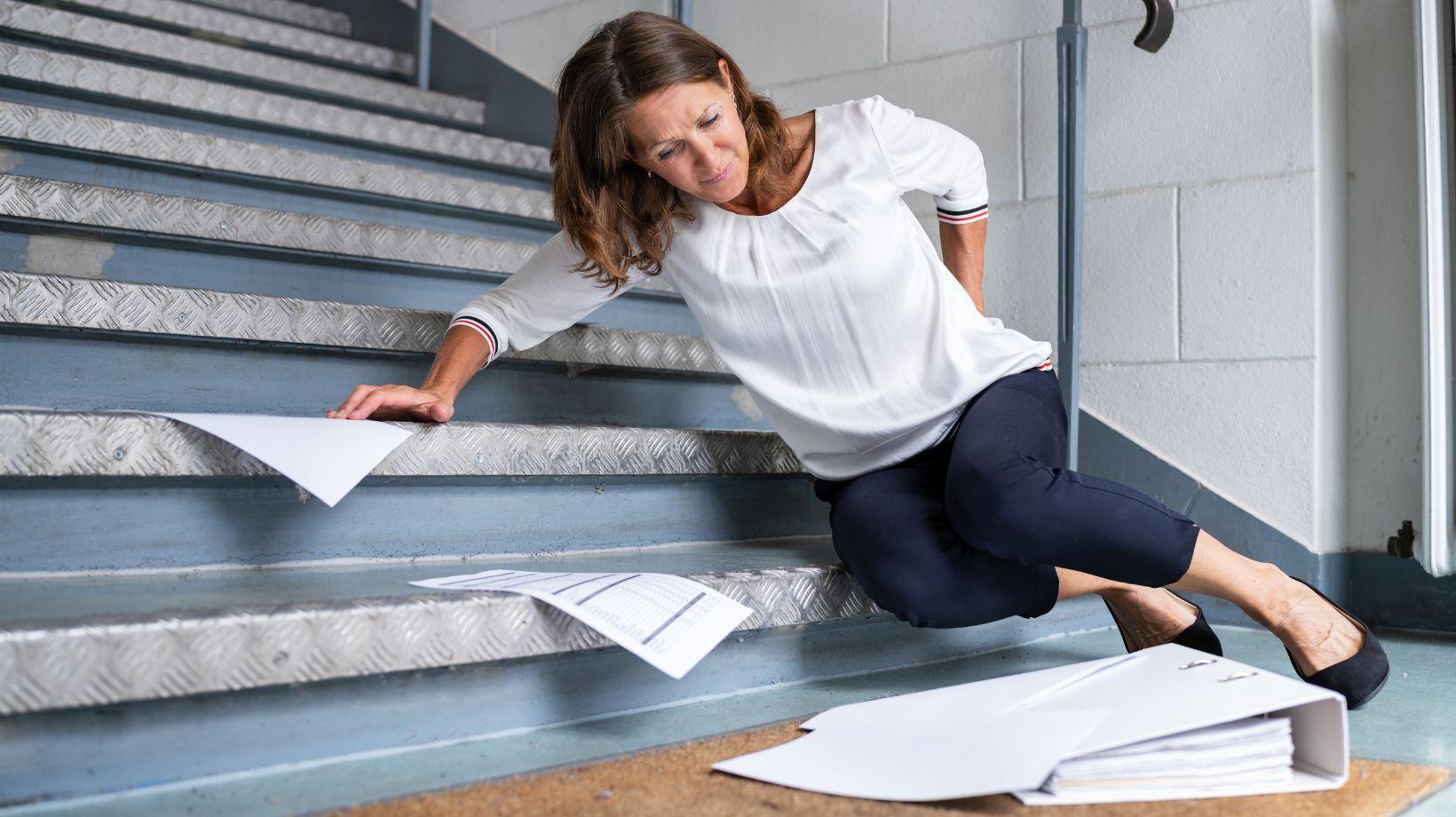
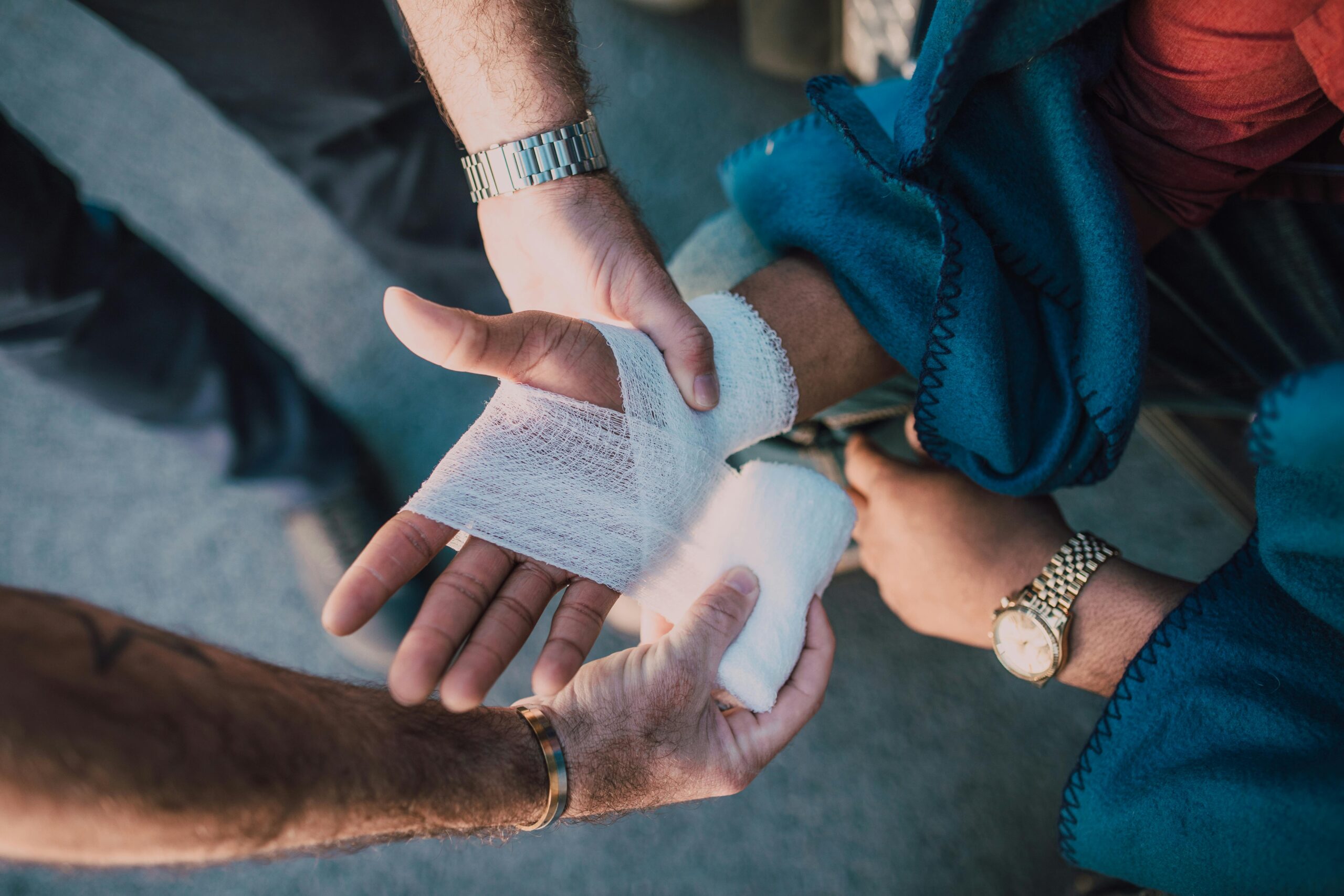
Accidents are terrifying because they’re out of our control. They can happen anywhere, anytime, no matter how cautious you are. What makes it worse is that they’re far more common than most realize.
Falls affect over 14 million older adults each year and cause millions of ER visits; motor-vehicle deaths numbered roughly 41,000 in 2023; and private employers reported about 2.6 million nonfatal workplace injuries in 2023. So yes, even careful people get hurt.
That’s why it’s wise to inform yourself on what to do if the accident happens. Because what you do in the minutes and hours and days that follow matters greatly, both for your physical and financial health. And since you won’t have the luxury of figuring everything out mid-panic, it helps to understand the steps now, while you can think straight.
Immediate Priorities: Safety, Stability, And Common Sense
First order of business: stay safe. And the first step toward that involves scanning the scene quickly and moving away from the accident – but only if you know you won’t make things worse by moving. If in doubt, it’s better to call for help.
So when does it make sense to move? If traffic is moving around you, or you’re on slick flooring, or a machine is still running. Again, do this only if you can do it without worsening the injury.
However, if there’s heavy bleeding, you or the other injured person has trouble breathing, there’s suspected neck or back injury, or loss of consciousness, call emergency services immediately.
Importantly, try to breathe deeply. This will help you not only think more clearly but also minimize anxiety-spiked adrenaline that can mask pain or shock.
Documentation: The Part Most People Forget
Once you’ve calmed down enough to think clearly, document the scene. Your phone is perfect for this. Capture the hazard, your surroundings, the lighting, the floor condition, the vehicle damage, whatever applies. Short video clips help when still photos miss context.
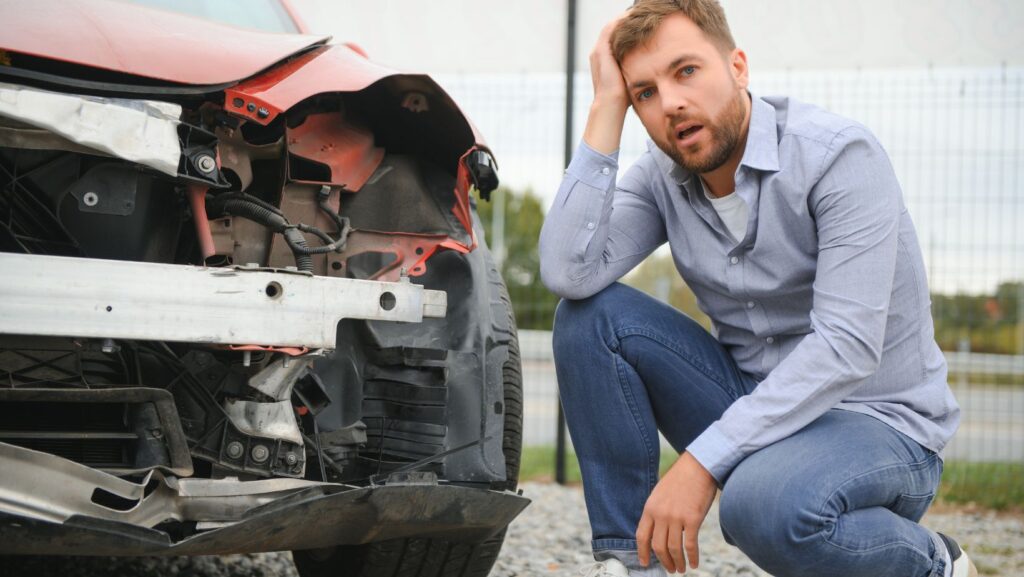
If you were hurt on work or someone else’s property (more on this later), make sure your photos show the specific condition that caused the fall or injury.
Gather names, take notes, save every medical bill, and screenshot conversations with insurers or employers. Then organize it in one folder so nothing gets lost.
Medical Evaluation: Protect Yourself In The Long Run
Get checked even if you feel “okay.” Some injuries may not present obvious symptoms immediately but they worsen over time (signs of a concussion, for example, can appear days or weeks later). So, ask for a full exam, imaging if recommended, and clear discharge instructions.
Ask very specific questions during your exam:
- What symptoms should you expect once the adrenaline wears off?
- What requires a return visit?
- Is imaging necessary, or is it optional?
- Should you restrict movement for a set number of days?
Write things down or, better yet, ask for printed instructions. You want to create a timeline, one that will help you understand your own recovery better and prevent debates later if complications show up.
If You’re Not At Fault: Legal Steps To Take
If the accident happened because someone else created the risk, you need to handle your next steps with a bit more strategy. Stick to facts only; no guessing, no apologizing, no “maybe I slipped because…” fillers that insurers love to twist. You want to create a clean record of everything.
If you’ve been in a car accident, exchange information, report the incident promptly, and document everything. Workplace injuries require immediate reporting to a supervisor or HR because delays almost always complicate claims.
If you were hurt on someone else’s property, the situation moves into premises-liability territory. In that case, it pays to get clarity from a firm that actually handles these cases. DM Injury Law, for example, deals specifically with unsafe property conditions and slip-and-fall claims. Even a short consultation gives you direction before you speak with any insurance adjuster.
Be Prepared, Not Paranoid
Accidents wouldn’t happen if we could prevent them. Yes, we should all do our best to minimize the chance of them happening, but life will still find a way to test us.
That’s why you want to have a basic checklist in case something happens. Emergency numbers, insurance cards, a small first-aid kit, and a habit of photographing hazards. This can all improve the outcome.
Keep your home safe because household injuries are far too common. When they happen elsewhere, keep your records tidy. Stay calm and get informed. You’ll make better choices that way, and that’s what matters most after the crash, fall, or workplace mishap.