Table of Contents
ToggleSummer in Kendallville can bring warm afternoons, humid evenings, and long stretches when your cooling system becomes one of the most important appliances in your home. When your HVAC system is working properly, it is easy to take it for granted. But when it starts blowing warm air, running constantly, or making unusual noises, comfort can disappear quickly. Preparing your system before the hottest part of the season is one of the best ways to avoid stress, high energy bills, and unexpected breakdowns.
A seasonal checklist helps homeowners catch small problems before they become expensive service calls. While some tasks are simple enough to handle on your own, others require help from a trained technician. If your system is already showing signs of trouble, scheduling professional Air Conditioner Repair early can help restore comfort and prevent further damage. The goal is not only to keep your home cool, but also to make sure your equipment runs safely, efficiently, and reliably throughout the summer.
Contents
1. Replace or Clean the Air Filter
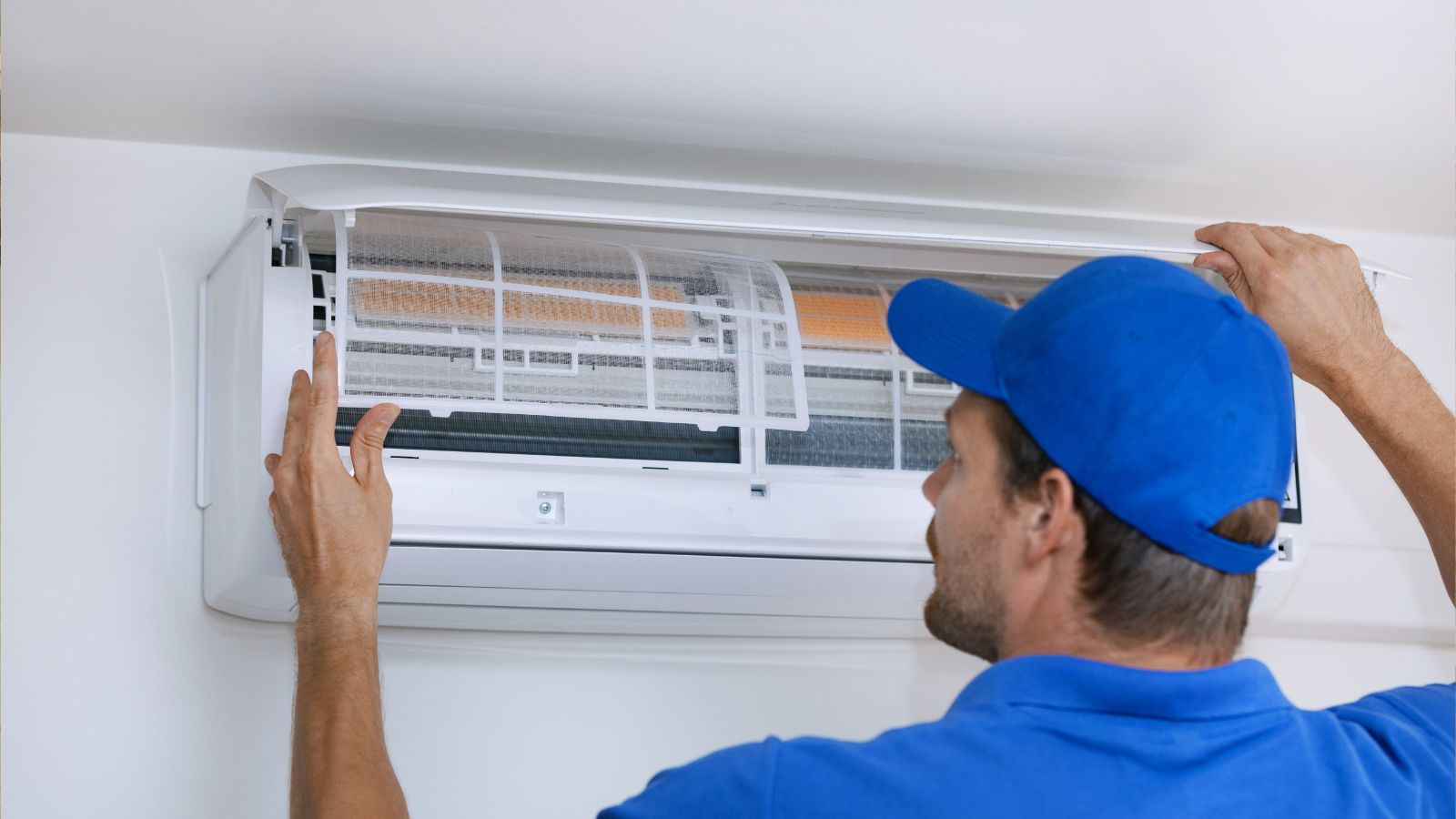
The air filter is one of the simplest but most important parts of your HVAC system. It traps dust, pollen, pet hair, and other particles before they move through the equipment and into your living spaces. When the filter becomes dirty, airflow is restricted. This makes your air conditioner work harder, which can increase energy use and place extra strain on the blower motor and other components.
For many homes, filters should be checked every month during the summer. Some filters can last longer, but homes with pets, allergies, heavy dust, or frequent AC use may need more frequent replacement. A clean filter helps improve airflow, indoor air quality, and cooling performance. It can also reduce the risk of frozen coils and system overheating.
Before replacing the filter, make sure you choose the correct size and install it in the right direction. Most filters have an arrow that shows airflow direction. If you are unsure which filter is best for your system, ask your HVAC technician during your next service visit.
2. Clear Debris Around the Outdoor Unit
Your outdoor condenser unit needs plenty of airflow to release heat from your home. During spring and summer, grass clippings, leaves, weeds, branches, and dirt can collect around the unit. If airflow is blocked, the system may struggle to cool your home and may run longer than necessary.
Walk around the outdoor unit and remove visible debris. Trim back plants, weeds, and shrubs so there is open space around the equipment. Avoid stacking tools, patio furniture, garden supplies, or decorations near the condenser. The unit should be able to breathe freely from all sides.
You can also gently rinse dirt from the outside of the unit with a garden hose, but avoid using high pressure. Do not remove panels or attempt deep cleaning unless you know what you are doing. Internal cleaning should be handled by a professional because delicate coils and electrical parts can be damaged.
3. Check Thermostat Settings
Your thermostat controls when your air conditioner turns on and off. Before summer heat becomes intense, check that the thermostat is set to cooling mode and that the temperature setting matches your comfort needs. If the thermostat is programmed incorrectly, your AC may run too often, not often enough, or at the wrong times of day.
A programmable or smart thermostat can help reduce energy waste by adjusting the temperature when you are away or asleep. For example, you may be able to set a slightly higher temperature during work hours and cool the house before you return home. Small changes can help lower energy bills without sacrificing comfort.
If your thermostat screen is blank, the temperature reading seems inaccurate, or the AC does not respond properly, the thermostat may need new batteries, recalibration, or replacement. Sometimes what looks like a major cooling problem is actually a thermostat issue.
4. Inspect Supply and Return Vents
Your HVAC system depends on balanced airflow. Supply vents deliver cooled air into rooms, while return vents pull air back into the system to be cooled again. If vents are blocked or closed, the system may not cool evenly.
Walk through your home and make sure vents are open and unobstructed. Move furniture, curtains, rugs, boxes, or toys away from vents. Closing vents in unused rooms may seem like a way to save energy, but it can actually disrupt airflow and increase pressure inside the duct system. This may cause the AC to work harder and could lead to comfort problems.
If certain rooms still feel warmer than others after checking the vents, there may be a ductwork issue, insulation problem, or airflow imbalance that needs professional attention.
5. Listen for Unusual Noises
A healthy air conditioning system should operate with a steady, familiar sound. If you hear grinding, buzzing, rattling, squealing, banging, or clicking, do not ignore it. Unusual noises often mean a part is loose, worn, dirty, or failing.
For example, a squealing sound could point to a belt or motor issue. Buzzing may indicate an electrical problem. Rattling could mean loose hardware or debris inside the unit. Banging or clanking may suggest a more serious mechanical problem.
Catching these sounds early can prevent larger repairs. If a noise starts suddenly or becomes louder over time, turn the system off and schedule service. Continuing to run the AC when something is wrong may cause additional damage.
6. Watch for Weak Airflow
Weak airflow is a common sign that your HVAC system needs attention. If air barely comes out of the vents, your home may take much longer to cool. Weak airflow can be caused by a dirty filter, blocked vents, blower motor problems, duct leaks, dirty coils, or other restrictions inside the system.
Start with the basics. Replace the filter and check that vents are open. If airflow does not improve, it is time to call a technician. Poor airflow can lead to frozen evaporator coils, longer run times, higher energy bills, and uneven cooling.
Good airflow is especially important during Kendallville’s humid summer days. Without proper air movement, your home may feel sticky and uncomfortable even when the AC is running.
7. Check for Warm Air
If your air conditioner is running but blowing warm or room-temperature air, something is wrong. Possible causes include thermostat problems, low refrigerant, dirty coils, compressor trouble, electrical issues, or restricted airflow.
First, check that the thermostat is set correctly and that the air filter is clean. If those steps do not solve the problem, avoid guessing. Warm air can indicate a serious issue, especially if the outdoor unit is not running or the system seems to run continuously without cooling.
A professional inspection can identify the cause and prevent further damage. Ignoring warm air may lead to higher energy bills and greater strain on the system.
8. Look for Water Leaks or Excess Moisture
Your air conditioner removes moisture from indoor air as part of the cooling process. That moisture should drain safely through the condensate drain line. If the line becomes clogged, water can back up and leak around the indoor unit.
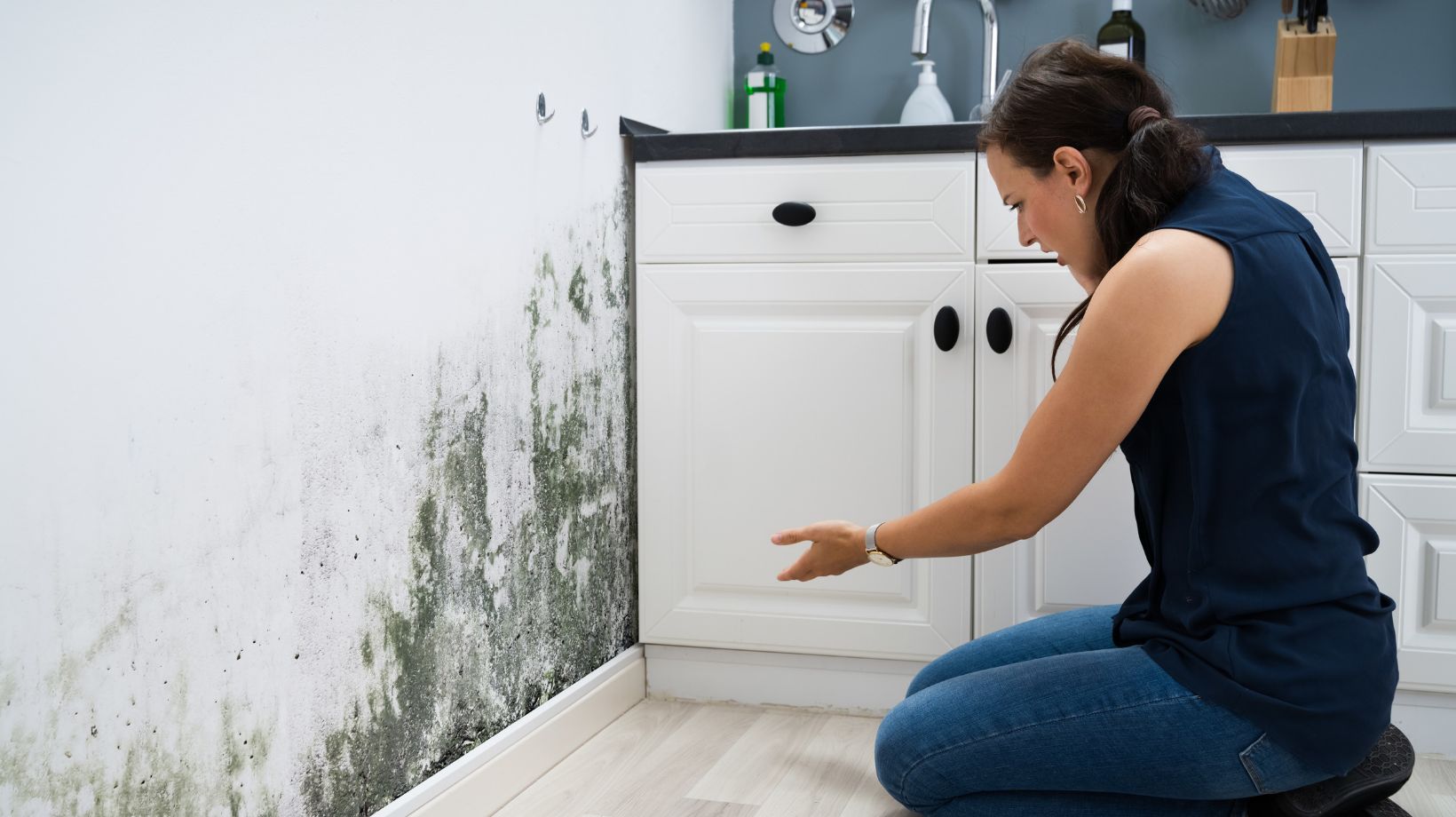
Look for puddles, damp spots, musty smells, or signs of water damage near the HVAC equipment. A clogged drain line can cause mold growth, ceiling or floor damage, and system shutdowns. In some cases, excess moisture may also indicate frozen coils or poor airflow.
If you notice water where it should not be, schedule service promptly. A small drain issue can become expensive if it damages your home.
9. Pay Attention to Humidity Levels
Cooling is only part of summer comfort. Humidity control also matters. If your home feels damp or sticky even when the AC is running, the system may not be removing enough moisture.
High indoor humidity can be caused by an oversized AC, short cycling, dirty coils, poor airflow, duct leaks, or drainage problems. It can also make your home feel warmer than it actually is, causing you to lower the thermostat and use more energy.
A properly functioning air conditioner should help reduce humidity as it cools. If humidity remains high, an HVAC technician can evaluate the system and recommend solutions, such as maintenance, repairs, duct improvements, or humidity control options.
10. Inspect the Outdoor Unit After Storms
Summer storms can affect your HVAC equipment. Heavy rain, wind, falling branches, and flying debris can damage the outdoor unit or block airflow. After a storm, take a quick look at the condenser.
Check for branches, leaves, mud, or debris around the unit. Make sure it appears level and undamaged. If you notice bent fins, exposed wires, unusual sounds, or the system stops working after a storm, call a professional. Do not touch electrical components, especially if the area is wet.
Routine storm checks can help you catch problems before they affect performance during the next hot day.
11. Review Energy Bills
Your utility bills can tell you a lot about your HVAC system. If your summer energy costs increase sharply without a change in your habits, your AC may be losing efficiency. Dirty components, refrigerant problems, failing motors, clogged filters, and duct leaks can all make the system use more energy.
Compare your current bills to previous months or the same period last year. Some increase is normal during hot weather, but a sudden spike may signal a problem. Addressing the issue early can help prevent a more expensive repair and reduce wasted energy.
12. Test the System Before Extreme Heat
Do not wait until the hottest day of summer to find out your AC is struggling. Test the system before temperatures rise too high. Turn it on, let it run, and pay attention to how it performs.
Does it start smoothly? Does cool air come from the vents? Does the outdoor unit run normally? Does the home reach the temperature set on the thermostat? Are there odd noises or smells?
Testing the system early gives you time to schedule service before HVAC companies become busy with emergency calls. It also helps ensure your family stays comfortable when summer heat is at its peak.
13. Schedule Professional Maintenance
Even if your system seems to be working, professional maintenance is an important part of summer preparation. A technician can inspect electrical connections, test components, check refrigerant levels, clean coils, evaluate airflow, inspect the drain line, and confirm safe operation.
Maintenance helps catch problems that homeowners may not notice. It can improve efficiency, reduce wear, extend system lifespan, and lower the chance of unexpected breakdowns. For older systems, annual maintenance is especially important because worn parts are more likely to fail during heavy use.
Professional tune-ups are not just about preventing repairs. They also help your system cool more consistently and operate more safely.
14. Know When to Call for Help
Some HVAC tasks are safe for homeowners, such as changing filters, clearing debris, and checking thermostat settings. Other problems should always be handled by professionals. Call for service if you notice warm air, weak airflow, strange noises, frequent cycling, water leaks, burning smells, electrical issues, or a system that will not turn on.
Trying to repair complex HVAC problems yourself can be unsafe and may cause more damage. Air conditioners include electrical components, refrigerant, motors, and pressurized systems that require proper tools and training.
Prompt service can prevent small issues from becoming major repairs. It can also restore comfort faster during hot weather.
15. Consider the Age of Your System
As you prepare your HVAC system for summer, think about its age. Most air conditioners have a limited service life, and older units may need more frequent attention. If your system is more than 10 to 15 years old, struggles to cool, breaks down often, or causes high energy bills, it may be time to discuss replacement options.
This does not mean every older system must be replaced immediately. A well-maintained unit may still have useful life left. However, knowing the age and condition of your system helps you plan ahead instead of being surprised by a major failure.
Final Thoughts
A summer HVAC checklist can help Kendallville homeowners stay ahead of cooling problems before they become expensive and uncomfortable. Simple steps like changing the filter, clearing the outdoor unit, checking vents, reviewing thermostat settings, and watching for warning signs can make a big difference. Professional maintenance adds another layer of protection by identifying hidden issues and keeping the system running efficiently.
Your air conditioner works hardest when temperatures and humidity rise. Preparing it before peak summer conditions helps protect your comfort, your energy bills, and your equipment. By following this checklist and calling a professional when problems appear, you can enjoy a cooler, safer, and more reliable home all season long.