Table of Contents
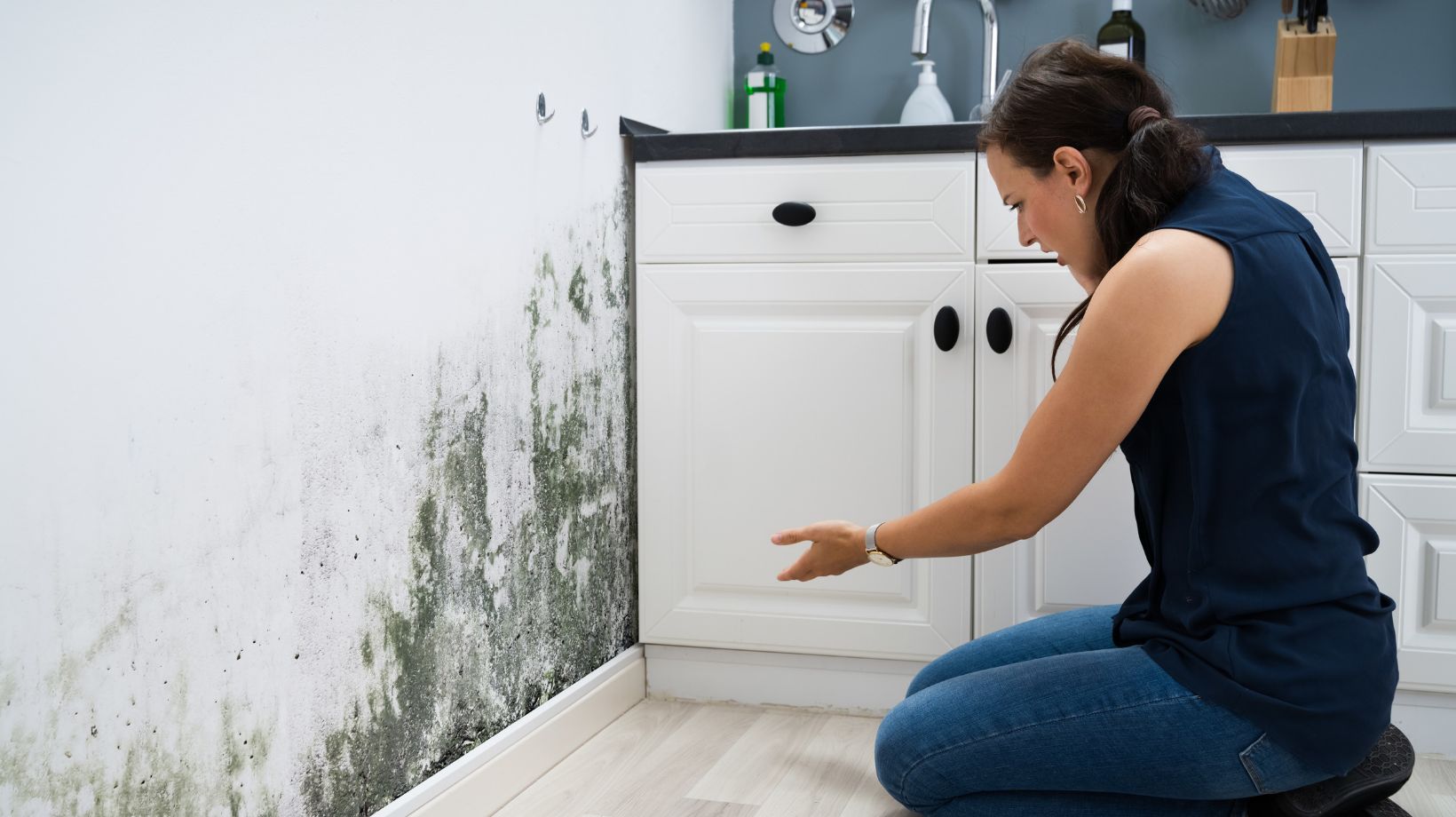
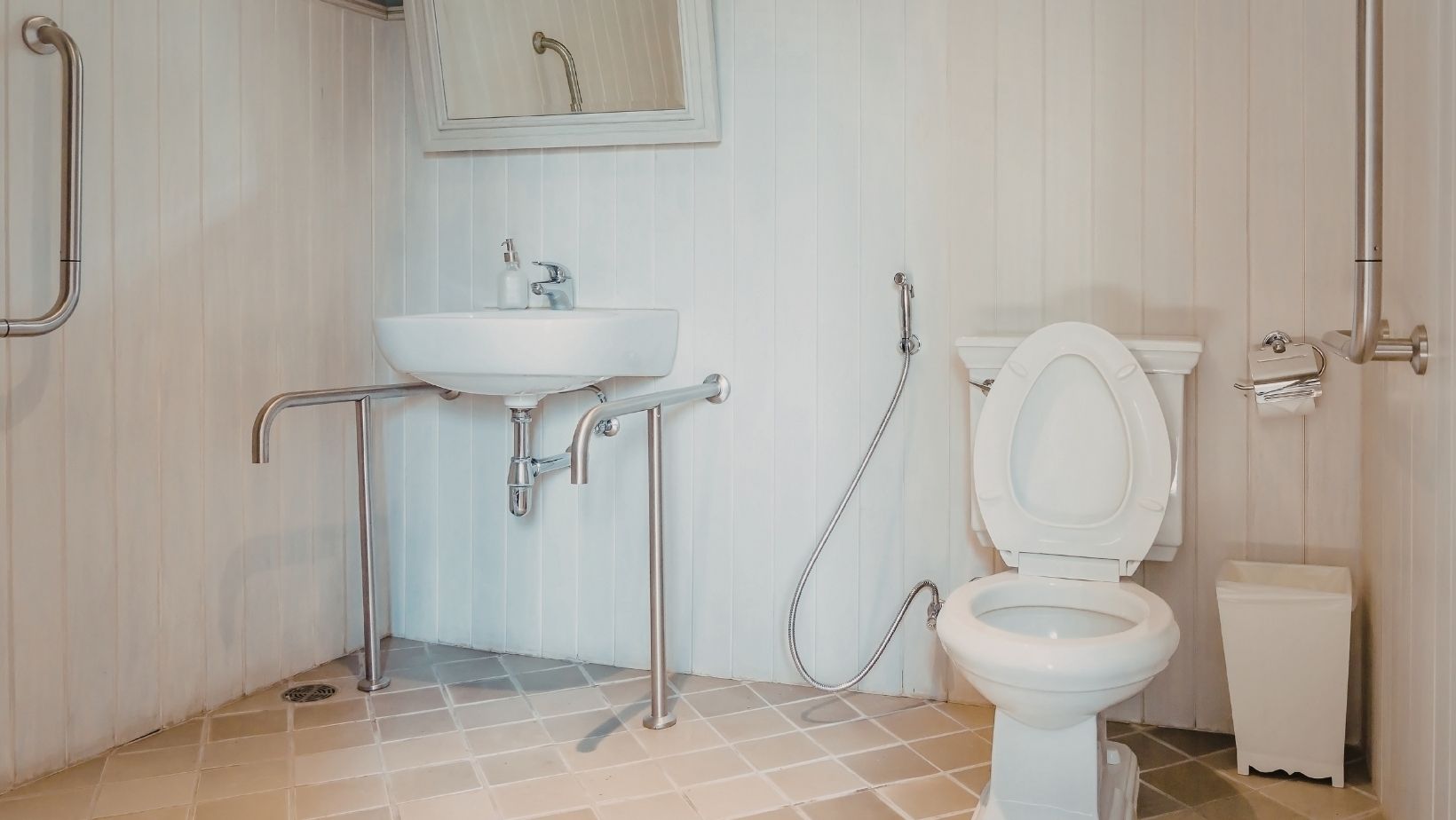
ToggleFinding a phantom puddle near the base of your commode or hearing the tank refill itself in the middle of the night can be a major headache for any homeowner. These subtle signs often point to a slow leak that, if left unaddressed, can spike your utility bills and eventually damage your subflooring. Learning how to identify and resolve these issues is a fundamental skill for maintaining a hygienic environment. For those who prefer a professional touch, consulting with plumbers Springdale, AR can ensure your system operates at peak performance without wasting hundreds of gallons of water each year.
Contents
Identifying the Source of Silent Water Waste
Finding the leak is the first step, though they aren’t always easy to see. Try the old food coloring trick: put a few drops in the tank and wait fifteen minutes. If that color shows up in the bowl without you flushing, you’ve definitely got an internal leak to deal with. It is vital to understand the mechanics of water conservation to realize how much an invisible trickle can impact your local ecosystem and monthly budget. Beyond the tank, check for condensation on the outside of the porcelain, which might actually be a slow drip from the fill valve or the tank-to-bowl bolts. Feeling around the base for dampness can also reveal a failing wax ring, which requires immediate attention to prevent structural rot in your bathroom floor.
Essential Tools and Preparatory Steps
Before you begin any hands-on repairs, gather a basic toolkit consisting of an adjustable wrench, a pair of pliers, and a replacement flapper or fill valve kit. Always start by turning off the water supply valve behind the toilet, then flush until the tank is empty to avoid a mess during the repair process. During this phase, it is helpful to review common plumbing services in Springdale to determine whether your specific issue might require specialized parts or professional diagnostics. Having a few old towels nearby is also highly recommended to soak up any residual water left in the bottom of the tank, providing a clean and dry surface for installing new components efficiently.
Step-by-Step Fixes for Common Internal Issues
Most minor leaks originate from the flapper, the rubber disk that seals the bottom of the tank, preventing water from entering the bowl prematurely. Over time, minerals in the water cause the rubber to warp or become brittle, which prevents a tight seal from forming after a flush. Replacing this part is usually as simple as unhooking the old chain and snapping a new flapper into place on the overflow tube. While you are working on these internal components, you can explore more about household infrastructure maintenance to ensure you are using the most efficient parts currently available on the market. Taking these small actions now can prevent the need for much larger, more intrusive repairs down the road.
Ensuring Long-Term Bathroom Efficiency
After swapping out the parts, check the floor seal and outer connections. Just be careful when tightening the bolts and nuts; go easy on them. If you crank them too hard, you’ll crack the porcelain and end up with a much more expensive problem than a simple leak. If the leak was coming from the floor, you may need to pull the entire unit to install a new wax ring and ensure the closet flange is level. Regular inspections every few months can catch these issues before they escalate, which is why many residents rely on PHG Restoration Services and experienced plumbers Springdale, AR to address water-related problems before they cause further damage to the bathroom and flooring.
Conclusion
You don’t need a license to stop a leak, just a sharp eye and a little effort. Catching those drips early keeps your home dry and saves you from a massive water bill. Plus, it protects your floors from expensive damage before it even starts.