
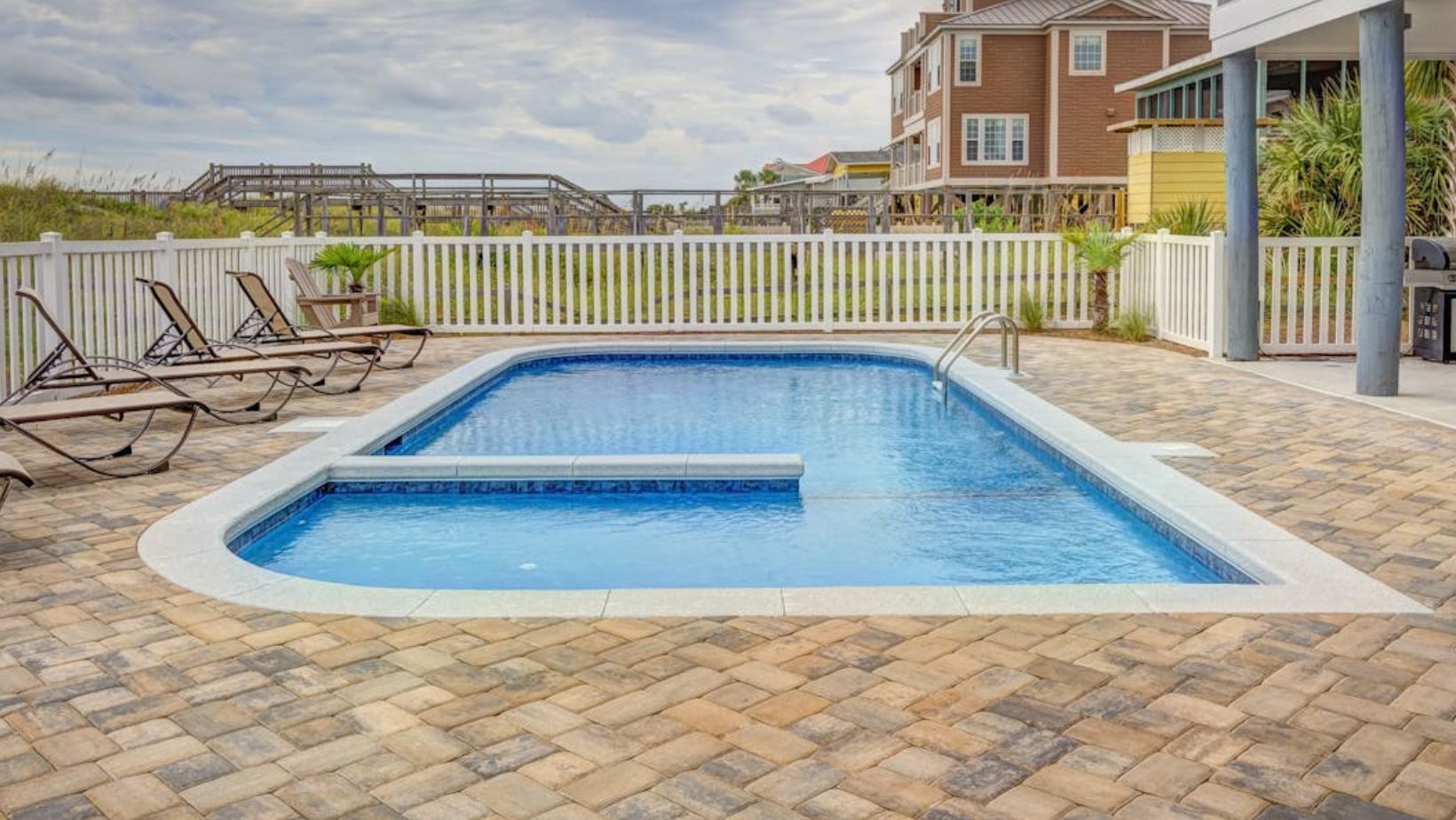
Energy costs can creep up fast once swimming season starts. Pumps, heaters, and lights all pull their share. Fortunately, you can trim kilowatts without gutting your backyard design. Start with equipment that sips power, then tighten heat loss and evaporation. Small changes stack into real savings. Here are energy-efficient pool upgrades you should consider.
- Choose the right shell and surface
The biggest efficiency win begins with the pool structure. Smooth, nonporous shells cut friction and reduce algae growth, so circulation systems work less. For cold-climate buyers, fiberglass pools offer quick installs, solid insulation, and easy upkeep. Pair the shell with a light interior to reflect sunlight and moderate water temperature. Additionally, keep the edges clean and sealed to prevent micro leaks that waste water and heat.
- Upgrade to a variable-speed pump
Old single-speed pumps are energy hogs. A variable-speed unit lets you run low and slow for daily filtration, then ramp up only for vacuuming or water features. This shift alone can cut pump energy by half or more.
Size the pump to your volume and pipe layout, and program schedules around off-peak utility windows when possible. You should also clean baskets and backwash on a cadence so the pump does not fight clogs. If you inherit undersized plumbing, extend low-speed cycles to reduce head pressure.
- Capture heat and prevent it from escaping
Heating is where most pools leak money. Start with a sturdy cover to slash evaporation, which is the main source of heat loss. Add a liquid solar blanket for an extra layer on windy days. If your yard gets sun, a solar thermal array can shoulder spring and fall loads. Working with an experienced solar pool heating company like Suntrek Solar ensures the system is properly sized for your pool volume and roof space, maximizing how much of your heating load solar can reliably cover across the season.
In shoulder seasons, run a heat pump instead of gas for steady, efficient gains. Use timers so heating aligns with swim hours, not midnight. Make sure to trim nearby plants that cast late-day shade if you rely on passive solar gain.
- Re-think filtration and sanitation
Clear water with less energy starts at the filter. Cartridge systems run at lower pressure than sand, so the pump works more easily. For sanitation, combine a salt system with smart controls or an ORP sensor. This keeps chlorine dosing consistent, avoids spikes, and reduces backwashing.
Consider UV or ozone as secondary sanitation to lower chemical demand. Balance pH and alkalinity weekly. Balanced water protects equipment and holds clarity at lower pump speeds. Log readings in a simple sheet and adjust before problems snowball.
- Upgrade lighting and controls
Swap halogens for LEDs. The energy drop is immediate, and color options reframe the backyard at night. Tie lighting, pump speeds, and heating into a smart controller. With one app, you can align runtimes with weather, occupancy, and utility rates. Add a flow meter so you can tune settings with data, not hunches. Alerts for clogged baskets or rising filter pressure prevent wasteful operation.
Endnote
Energy efficiency is not one big purchase. It is a series of smart upgrades that work together. Begin with the pump and a reliable cover, then layer heat management, smarter filtration, and automation. Your water will stay clearer, your system will last longer, run quieter, and your bill will calm down. Plan now, test settings for a week, and lock in a rhythm before peak season starts.