
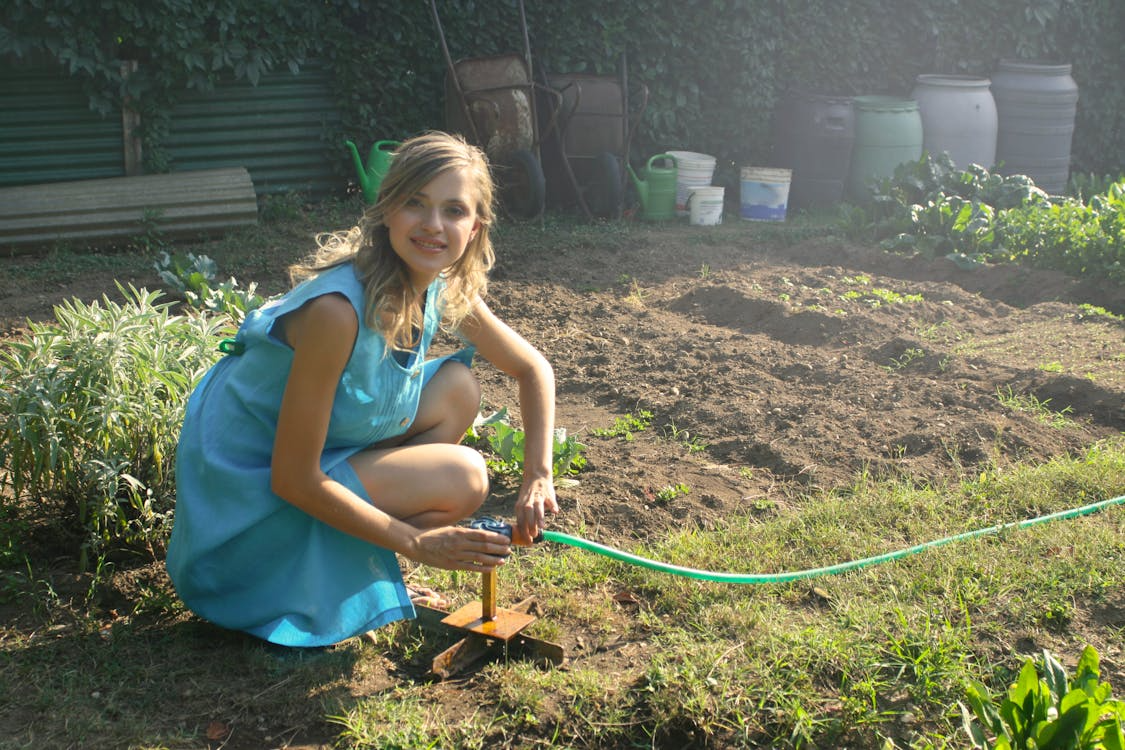
Greywater reuse is one of the most affordable methods that homeowners can use to reduce water bills, support drought resilient landscapes, and add a little sustainability to everyday life.
In case you’ve ever wondered if you can send the water from your washing machine or bath into your landscape instead of down your drains, this article breaks it down for you in simple terms.
Greywater vs. Blackwater – What are they?
Before you install any reuse system, it is important to understand what you are really working with.
- Greywater is lightly used water from sinks (not kitchen sinks), bathtubs, showers, and washing machines. It will have some soap, skin cells, and detergent, and is not harmful to human health, as long as it is properly handled.
- Blackwater is water from toilets, and kitchen sinks containing food scraps or organic waste. It can have high levels of pathogens, and requires full treatment. It should never be used for irrigation in the home.
Greywater Reuse Safety Guidelines
Reusing greywater is relatively easy, but a few precautions are necessary to ensure safe and effective use:
- Do not let greywater sit for more than 24 hours
- Do not spray greywater onto the edible parts of plants or onto any leaves – it should be poured into the soil
- Use biodegradable laundry detergents
- Research your local codes. Some areas allow for simple greywater systems without permits, while others require inspection or have leave out rules from property lines.
A Simple Greywater System: The Classic Laundry Diverter
The laundry-to-landscape system is the simplest version of greywater reuse. This system:
- Redirects washing machine drain water straight to your garden and landscape
- Has a 3-way valve so you can easily switch between the sewer and your landscape
- Doesn’t have a pump because washing machines push water under pressure.
You can run the outlet lines towards trees, shrubs, or mulch basins and watch the beautiful, clean water filter down through the soil naturally. Less complicated systems include:
- Shower diverters that empty into underground mulch pits
- Bucket systems that allow you to manually scoop out the bathwater for use on plants that are not to be eaten.
These systems are simple, cheap, low-tech systems that even beginners can set up.
Soil Type Matters

Soils affect how quickly water infiltrates into the soil:
- Sandy soil drains quickly necessitating deeper watering basins so that water does not leave the system too quickly.
- Clay soil drains slowly requiring more spread-out outlets to avoid pooling
- Loamy soil does best; it absorbs water without runoff.
Pre-Filtration Basics: Removing Debris from the Garden
Even basic greywater systems can benefit from pre-filtration. Debris like lint, hair, and fine solids can damage irrigation lines and accumulate in the soil. Typical filtration methods include:
- Lint screens for washing machine lines
- Drain mesh baskets
- Settling basins for the heavier solids
- Sand or cartridge filters for households wanting a cleaner, more consistent flow
Understanding wastewater treatment helps you determine what is appropriate for different situations. A professional may help you understand different filter types, performance basics, and system considerations.
Plants That Can Benefit From Grey Water
Several hardy plants are well adapted to using greywater because they are tolerant of salts, soaps, and periodic swings in PH. Salt-tolerant shrubs such as rosemary, oleander, and lavender, as well as many succulents, should not present a problem. Fruit trees such as citrus, figs, and pomegranates also do well if the greywater is applied well below the soil surface.
In contrast, sensitive species will struggle against detergents, sodium, and boron. Most ferns, azaleas, camellias, and other acid-loving ornamental plants will decline fairly quickly under the stresses of repeated greywater landscape irrigation. A lawn of fine turf grasses will also yellow or thin out unless the greywater is relatively mild.
Generally, plants that are hardy and drought tolerant will do well. Those which have been accustomed to irrigation from a clean source of low salinity will probably not perform as well.
Endnote
Using greywater is not as hard as it sounds in living sustainably. A diverter, a simple filter, and knowing which plants can withstand mildly soapy water will help you continue to minimize your outdoor water use, without worrying about the plants.