

A basketball player is usually characterized as broad-shouldered, with sculpted arms capable of leaping vertically. However, in the modern tempo-driven game, is size still an asset? Or is strength training evolving to serve a broader purpose than simply adding bulk?
This article looks at how strength training is being redefined in professional basketball, what current science says, and how elite athletes are balancing muscle mass with mobility.
How Important Is Muscle Mass in Modern Basketball?
In basketball betting, physiques play a pivotal role in shaping public perception, as they inform specific expectations—attractively bulkier players are often assumed to dominate. However, sports coaches and professional strength coaches do not agree—raw size is not the ideal benchmark of performance in today’s professional basketball.
Proportionate muscularity is still important for functioning, but in terms of athletics, strength and ability to benchmark performance is now focused on form rather than muscle mass. Mobility, acceleration, joint stability, and explosive power. Having a larger frame does not necessarily mean better performance. A 90kg player who glides across the court is likely to outpace a slower, more heavily muscled 110kg athlete.
The evolution of the game-from rigid post-ups to dynamic, fluid motion offenses-mandates a different kind of strength: fast, adaptable, and sustainable.
Key Differences in Training by Position
A player’s role on the court heavily influences how they train. Guards, forwards, and centers each have unique physical demands that shape their strength programs.
| Position | Strength Focus | Typical Training Emphasis |
| Point Guard | Core stability, balance | Agility drills, light resistance, footwork |
| Shooting Guard | Upper-body control | Pulling movements, reaction training |
| Small Forward | Hybrid agility and strength | Full-body circuits, dynamic lifts |
| Power Forward | Explosive leg power | Plyometrics, squats, sled pushes |
| Center | Maximal strength, durability | Heavy lifting, contact drills, core work |
What Do Strength Coaches Actually Prioritize?
Elite basketball strength coaches rarely focus on aesthetics. Instead, they target five core performance metrics:
- Explosiveness – vertical leap and first-step quickness
- Functional movement – hips, knees, and ankles working in sync
- Core stability – resisting rotational forces during cuts or contact
- Endurance – sustaining power over 4 quarters
- Recovery rate – how fast a player bounces back post-game
These elements are trained through progressive resistance, body weight conditioning, and sport-specific drills—not traditional bodybuilding routines.
Expert Opinions: Size Is Secondary to Strength Intelligence
As sports physiologist Dr. Marie Tan observes, “We’ve seen 6’6” athletes bench 315 lbs but can’t defend a pick-and-roll. They are strong only to the extent that the brain and body can use that strength.” Estrangement from efficacy delineates a given strain’s utility. Focus on movement, not muscle, as the differentiator that singularly matters.

Moreover, NBA performance coach John Ellis explains that many rookies enter the league overbuilt: “They hit the gym hard to impress scouts, but end up stiff and injury-prone. We spend… more time undoing bad training than building new strength.”
Their mantra? Strive to attain sprinting speed, and bolster efficiency, precision, and agility—precision-engineered movements sculpted to purpose. Moveable, flexible, and functional frameworks stripped bare of muscles honed to the eye’s discerning gaze. Sculpted to public image.
Can You Be Too Strong for Basketball?
Absolutely. Excessive mass can slow lateral movement, reduce shooting accuracy, and hinder cardio endurance. The goal isn’t to be big—it’s to be resilient and reactive.
5 Common Mistakes in Strength Training for Basketball:
- Overemphasis on chest and arms while ignoring hips and glutes
- Neglecting flexibility, especially hamstrings and ankles
- Training like a bodybuilder instead of an athlete
- Ignoring unilateral strength, which affects balance and cutting
- Skipping mobility work, leading to tight joints and poor posture
The most dangerous assumption is that more weight equals better performance. In basketball, the wrong kind of strength is a liability.
What Modern Programs Look Like
Current training programs are customized, data-driven, and adaptive. Many professional teams now rely on sports science software to track:
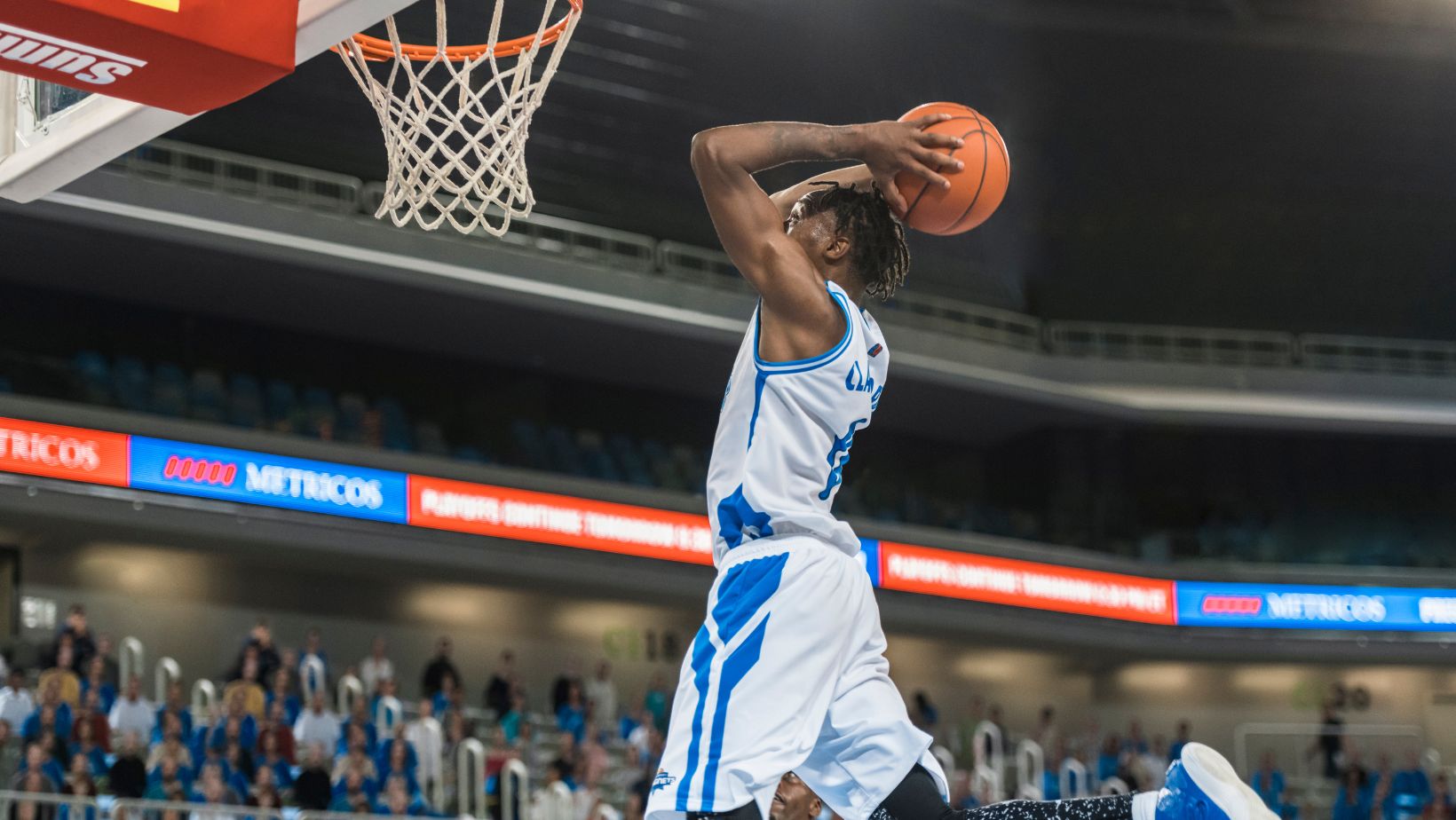
- Jump height
- Ground contact time
- Muscle fatigue
- Range of motion
- Symmetry in movement
For young athletes or semi-pro players, the take-home message is simple: train smart before you train hard. Coaches recommend including mobility sessions, dynamic warmups, and cooldowns after every strength day.
Impact on Injury Prevention and Longevity
Athletes who are stronger sustain less damage and knockdowns are harder to sustain too. Strength training improves muscle activation and therefore reduces injuries.
Most of the time, online betting PH reports injuries because of bad conditioning and overtraining, which leads to instant loss of team funds. Strength and conditioning, that improves function instead of through sheer power for muscles, leads to players being more consistent throughout the entire season.
Conclusion: Does Size Still Matter?
Only the appropriate bulk matters. Lean muscles that enhance speed and protect joints are highly functional. Features that intimidate are no longer in style.
While every center of 7’0” and guards of 6’3” had a very different style, their focus is only on smart structurally safe and functional training. In a basketball game, players with better balance are often the most valuable, which shows how to prepare matters far more than bare size.