
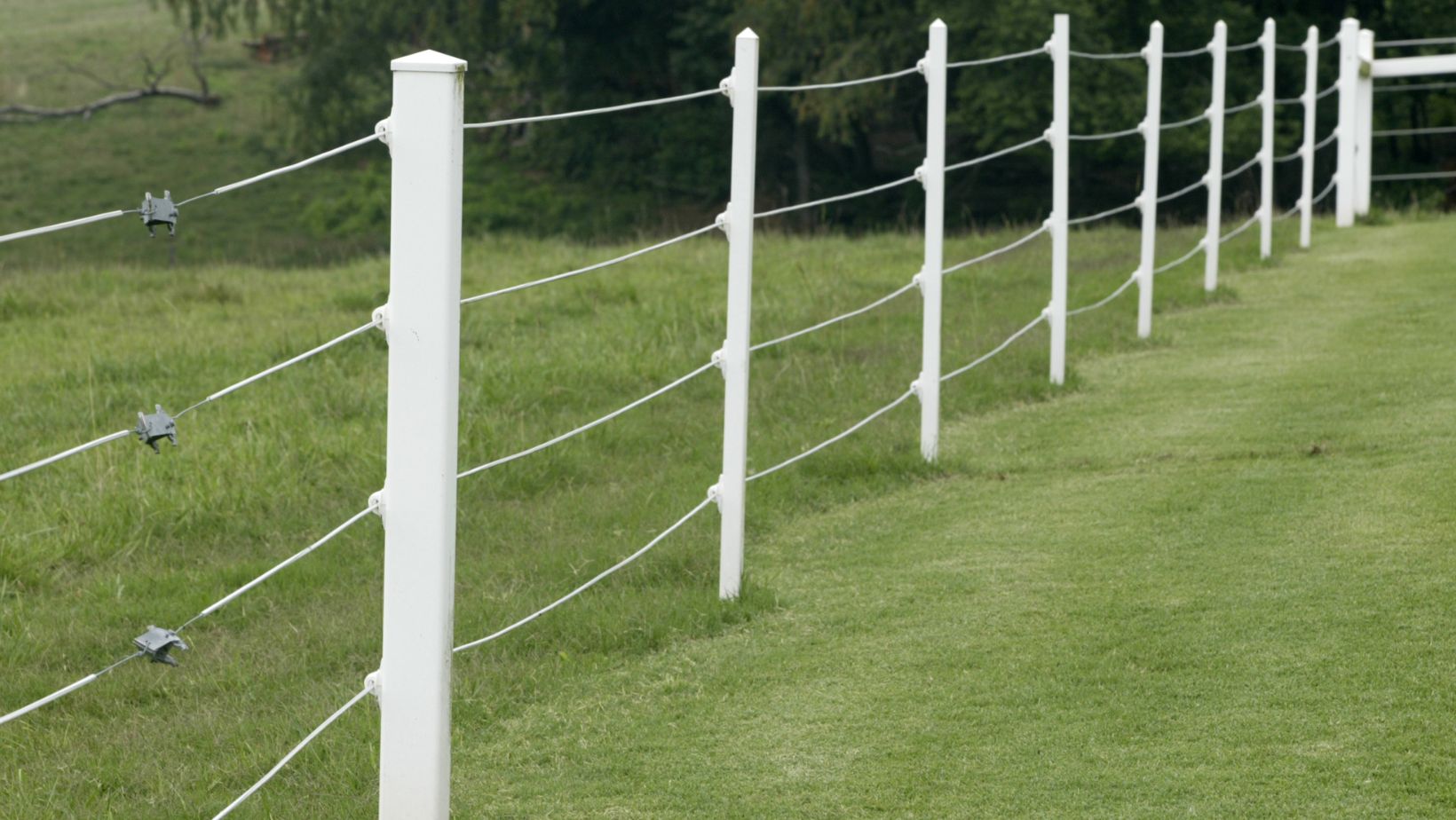
Before setting up electric fencing on any property, it’s important to assess the landscape, understand local regulations, and choose the right materials. Checking for trees, buildings, water sources, and existing obstacles helps prevent expensive mistakes and ensures the fence works as intended. Selecting durable, high-performing products such as electric fencing equipment at Jono & Johno or at any other shop can make a significant difference in safety. Proper planning also means reviewing the area for proper grounding and making sure you have the correct tools and knowledge for installation. Safety considerations, such as avoiding underground utilities and verifying the voltage levels, protect both animals and people while ensuring the system will function efficiently.
Key Takeaways
- Planning and site checks are important before installation.
- Using quality equipment and prioritizing safety improves long-term results.
- Proper preparation reduces risks and installation problems.
Essential Pre-Installation Checks
Fencing goals, property size, and material selection all impact the effectiveness and efficiency of an electric fencing system. Careful planning enables proper containment of livestock, improved security, and optimal use of resources.
Assessing Property Size and Fencing Goals
Knowing the exact size and shape of the property is critical. Accurate measurements determine the total length of the fence and the amount of wire, posts, and other materials required. Large farms or properties with irregular boundaries may require more complex fence layouts or additional energizers for consistent voltage throughout. The specific purpose of the fence should be clearly identified. Whether the aim is livestock containment, wildlife conservation, or enhanced security, these objectives influence design features. For example, rotational grazing systems might benefit from portable or temporary fencing, while permanent boundaries require more robust setups. Marking gates, corners, and high-traffic areas on a sketched map helps visualize the flow of movement and access points.
Choosing the Right Electric Fence System
The selection of an electric fence system should be based on livestock type, terrain complexity, and safety requirements. High-tensile wire systems provide durability and are suitable for larger permanent boundaries, while polywire or tape options are ideal for temporary or movable setups. When choosing an energizer, consider the total fence length and the power source available. For isolated or off-grid properties, solar-powered energizers with solar panels ensure reliable operation. Dual-zone activation provides flexibility and can help manage different pasture areas or containment needs. Proper grounding is essential for consistent voltage and effective deterrence. Ground rods should be at least 6 feet long, and using more than one rod about 10 feet apart improves performance, especially in dry or sandy soil. Testing the system annually and especially during dry periods is recommended for maintaining safety and efficiency.
Selecting Fencing Materials and Components
Selecting the right fencing materials ensures the system meets its containment and protection goals. High-tensile wire and galvanized wire are popular for permanent fences, providing strength and corrosion resistance. For temporary needs, polywire is lightweight and easy to install or move. All conductive wires should be sized according to the length and type of animal being managed to maximize voltage delivery. Insulators, fence posts, and braces must be compatible with both cables and energizers. Insulators prevent unintended grounding, while robust posts and braces support the wire and maintain the fence’s shape.
Critical Installation and Safety Preparations
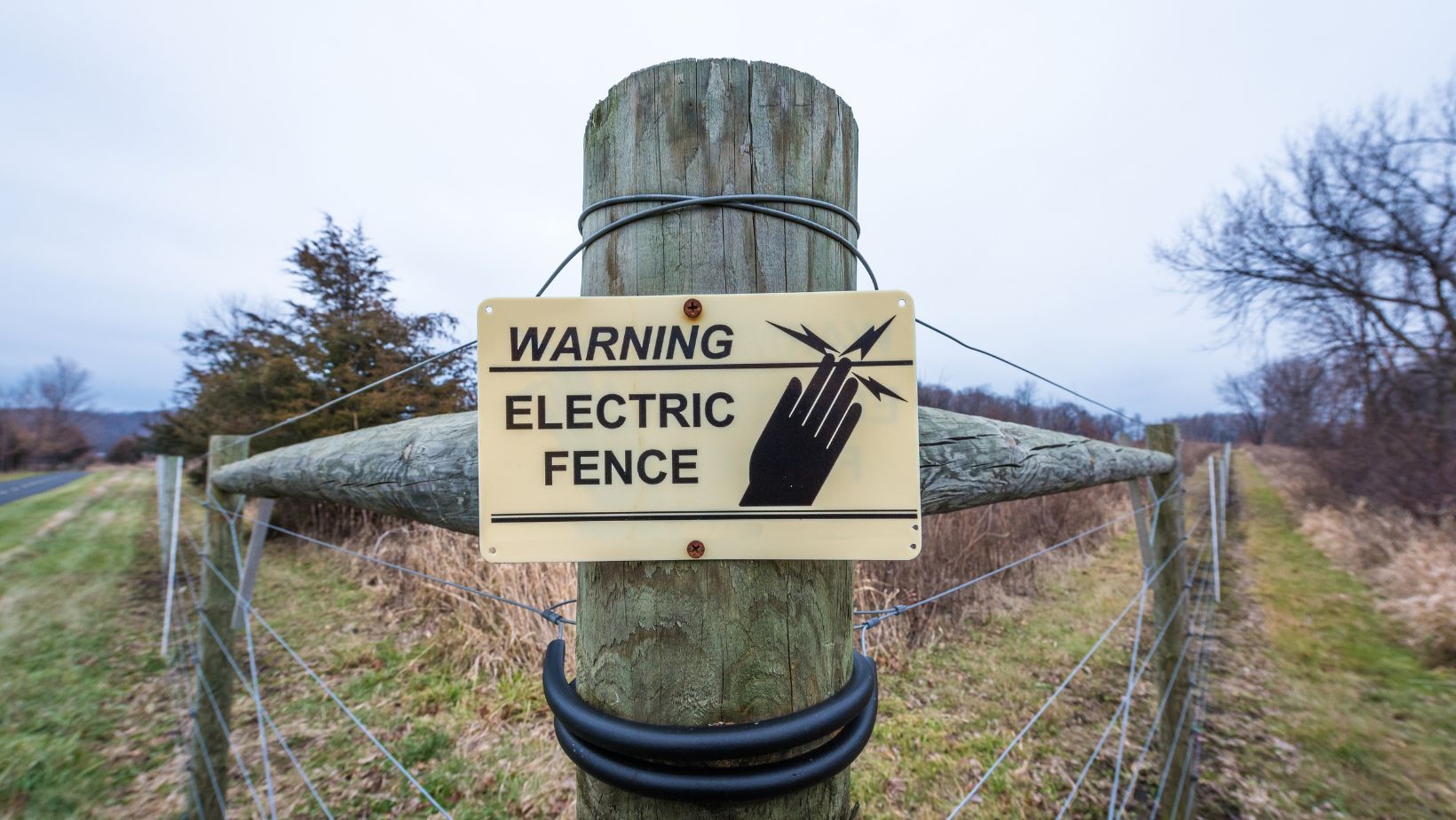
A reliable electric fence starts with a solid grounding system, proper installation practices, and visible security measures. Taking these steps helps reduce risk, prevents system faults, and improves the long-term effectiveness of the deterrent.
Establishing an Effective Grounding System
An effective grounding system is the foundation of any electric fence installation. Using multiple ground rods spaced at least three metres apart ensures adequate dissipation of electrical current. The general rule is one ground rod for every five joules of stored energy, with at least three rods needed for most systems. Installing high-quality galvanised steel rods helps prevent rust and maintains conductivity. Soil conditions also play a role—damp soil works best for ground rods, while dry or sandy soil may require additional rods and deeper placement. Regularly inspect ground connections for corrosion or loose wires. Poor grounding often causes weak shocks and unreliable operation. Checking the system with a voltmeter after installation can identify grounding problems before the fence is used.
Ensuring Proper Installation Techniques
Proper installation techniques are critical for both performance and safety. Begin by stretching the wire tightly and securing it to insulators to prevent sagging and accidental contact with posts. Avoid using damaged wires or low-quality materials, as these can create faults or reduce effectiveness. Energizers should be installed away from flammable materials, as faulty fences can produce sparks in rare cases. Connect only one energizer to the fence to prevent dangerous voltage build-up. Lightning protection devices help prevent damage to both the energizer and the fencing system during storms.
Routine checks of connections, insulators, and wire integrity are necessary for safety and long-term maintenance. Inspect the whole system for wear and tear, ensuring damaged wires are replaced promptly to avoid hazards or system failure.
Conclusion
Proper planning is necessary before installing electric fencing on any property. Property owners should verify local regulations, consult neighbours, and assess the land for obstacles or special considerations.